- All
- Product Name
- Product Keyword
- Product Model
- Product Summary
- Product Description
- Multi Field Search

Kaiping Yingchuan Sanitary Ware Technology Co., Ltd
304/316 stainless steel sanitary ware manufacturer
 English

Views: 0 Author: Site Editor Publish Time: 2026-09-21 Origin: Site


Choosing a faucet material seems simple until you're standing in a showroom staring at two nearly identical fixtures with wildly different price tags. The difference often comes down to one detail: the stainless steel grade. If you've been comparing 304 and 316L stainless steel faucets, you've probably noticed the specs sound similar, but the performance—and the cost—can vary quite a bit.
This guide breaks down what separates these two grades, where each one makes the most sense, and how to decide which is worth the investment for your home.
Both 304 and 316 stainless steel are part of the austenitic family, meaning they share a similar base composition of chromium and nickel. The key difference is molybdenum. 316-grade steel includes 2-3% molybdenum, which significantly boosts its resistance to corrosion, especially in environments with high chloride or salt exposure.
The "L" in 316L stands for "low carbon." This variant has a reduced carbon content (typically under 0.03%), which minimizes carbide precipitation during welding. In practical terms, that means 316L holds up better over time, particularly in fixtures that undergo welding or heavy shaping during manufacturing—like faucets.
304 stainless steel, on the other hand, is a solid, budget-friendly option. It performs well in typical household environments but lacks the extra chloride resistance that makes 316L a better fit for demanding conditions.
Feature | 304 Stainless Steel | 316L Stainless Steel |
|---|---|---|
Corrosion resistance | Good for standard indoor use | Excellent, even in high-chloride or coastal environments |
Molybdenum content | None to minimal | 2-3% |
Carbon content | Standard | Low (reduces weld decay) |
Best for | Indoor kitchens and bathrooms with typical water conditions | Homes near coastal areas, hard water regions, or countertops with heavy daily use |
Price point | More affordable | Higher upfront cost |
Longevity | 10-15+ years with proper care | 20+ years, even in harsher conditions |
Lead-free compliance | Often available | Frequently certified lead-free |
If you live near the coast, in a region with hard or chemically treated water, or simply want a fixture that won't show pitting or discoloration after a few years, a 316L sink faucet for home use is worth the extra investment. The added molybdenum content means it resists the kind of chloride-induced corrosion that eventually wears down lower grades of stainless steel.
This is also why 316L is the standard choice for outdoor kitchens, marine environments, and commercial kitchens that run high volumes of water daily.
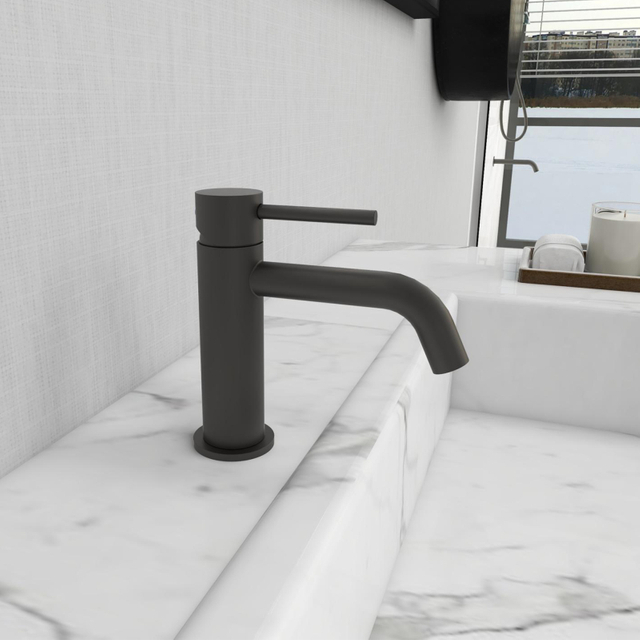
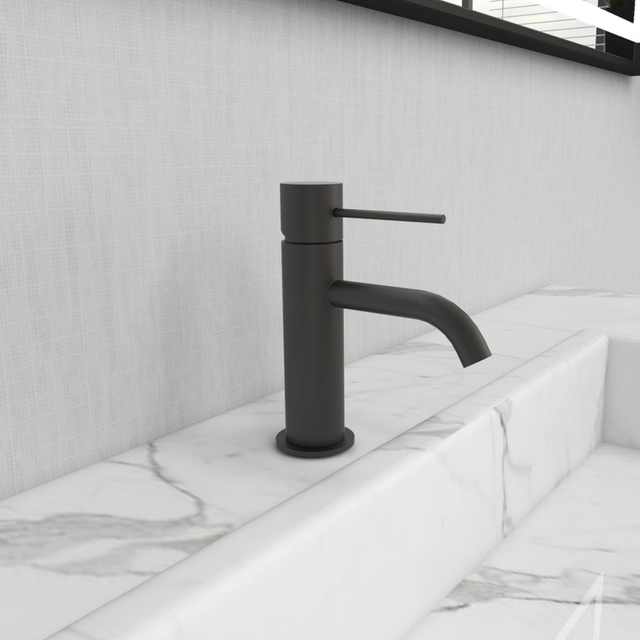
For countertop installations specifically, where the faucet base sits in constant contact with moisture, cleaning agents, and mineral deposits, a 316l sink faucet for countertop setups tends to outperform 304-grade alternatives over time. The lower carbon content also helps maintain the faucet's structural integrity at weld points, which matters most in fixtures that see frequent temperature changes from hot and cold water use.
Manufacturers like YCFaucet build entire product lines around this grade specifically because of its durability track record in demanding residential and commercial settings.
Not every home needs the extra corrosion resistance that 316L provides. If you're in a region with soft, low-chloride water and you're working with a tighter renovation budget, 304 stainless steel faucets deliver reliable performance without the added cost. For a standard indoor kitchen or bathroom that doesn't face extreme humidity, salt exposure, or heavy daily wear, 304 is often more than sufficient.
The decision really comes down to your environment and how long you want the fixture to last without visible wear. If you're renovating a rental property or a secondary bathroom, 304 typically makes more financial sense. If you're outfitting a primary kitchen or a countertop faucet you expect to use for decades, the long-term durability of 316L usually justifies the price difference.

Faucet grade matters just as much when it comes to valve mechanisms. A 316l compression sink faucet combines the corrosion resistance of 316L-grade steel with a traditional compression valve design, which relies on a rubber washer to control water flow. While compression faucets require more frequent maintenance than modern ceramic disc or cartridge designs, pairing them with 316L stainless steel construction significantly extends their working lifespan, since the surrounding metal resists the wear and tear that leads to leaks and mineral buildup.
Homeowners who prefer the classic feel of compression-style controls, but still want long-term durability, often find this combination strikes the right balance.
Your water quality, location, and how hard you use your faucet daily should guide your decision more than price alone. Coastal homes, hard water regions, and high-traffic kitchens benefit most from 316L's added resistance to corrosion. Standard residential settings with moderate water conditions can typically get years of reliable service from 304-grade fixtures.
Before making a final decision, it's worth reviewing manufacturer specifications closely. Reputable suppliers, like YCFaucet, publish detailed material certifications and testing data that can help confirm exactly what grade of stainless steel you're getting, along with lead-free compliance and corrosion testing results.
Is 316L stainless steel worth the extra cost for a home faucet?
If you live in a coastal area, have hard water, or want a fixture that lasts 20+ years without pitting, yes. For standard indoor conditions, 304 stainless steel often provides comparable performance at a lower price.
Can 304 stainless steel faucets rust?
304 stainless steel resists rust well under normal conditions, but it's more susceptible to pitting and corrosion in high-chloride or salty environments compared to 316L.
Are 316L faucets safe for drinking water?
Yes. 316L stainless steel is commonly used in food-grade and medical applications due to its low carbon content and corrosion resistance, making it a safe, durable option for kitchen and bathroom faucets.
What's the main advantage of 316L over 304 for countertop faucets?
316L's molybdenum content provides stronger resistance to the moisture, cleaning chemicals, and mineral deposits that countertop faucets are exposed to daily, extending their functional lifespan.
Do compression faucets work well with 316L stainless steel?
Yes. Pairing a compression valve design with 316L stainless steel construction helps offset the maintenance demands of compression faucets by reducing corrosion-related wear on the surrounding fixture.
Both 304 and 316L stainless steel have earned their place in modern plumbing, but they aren't interchangeable when it comes to long-term performance. Matching the grade to your water conditions and usage patterns is the difference between a faucet that lasts a decade and one that lasts a lifetime. When in doubt, lean toward 316L for high-exposure environments and countertop installations, and trust 304 for standard indoor use where budget matters more than extreme durability.