- All
- Product Name
- Product Keyword
- Product Model
- Product Summary
- Product Description
- Multi Field Search

Kaiping Yingchuan Sanitary Ware Technology Co., Ltd
304/316 stainless steel sanitary ware manufacturer
 English

Views: 0 Author: Site Editor Publish Time: 2026-09-26 Origin: Site


Sourcing bathroom tapware for a hotel refurbishment, a residential development, or a wholesale distribution line comes down to a handful of critical decisions. One of the most consequential — and most frequently underestimated — is choosing between a basin mixer and a pillar tap. The two configurations look similar on a spec sheet, but they behave very differently once installed, and that difference has real consequences for cost, maintenance, and end-user satisfaction.
For procurement teams, distributors, and specifiers working at scale, getting this decision right the first time avoids expensive rework, delayed installations, and dissatisfied clients. This guide breaks down the practical differences between basin mixers and pillar taps, explains where each performs best, and offers guidance for buyers evaluating basin tapware suppliers for bulk orders.


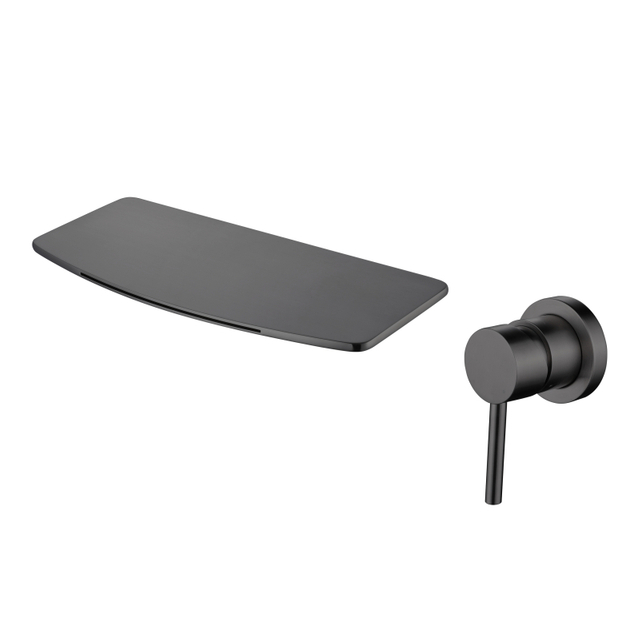
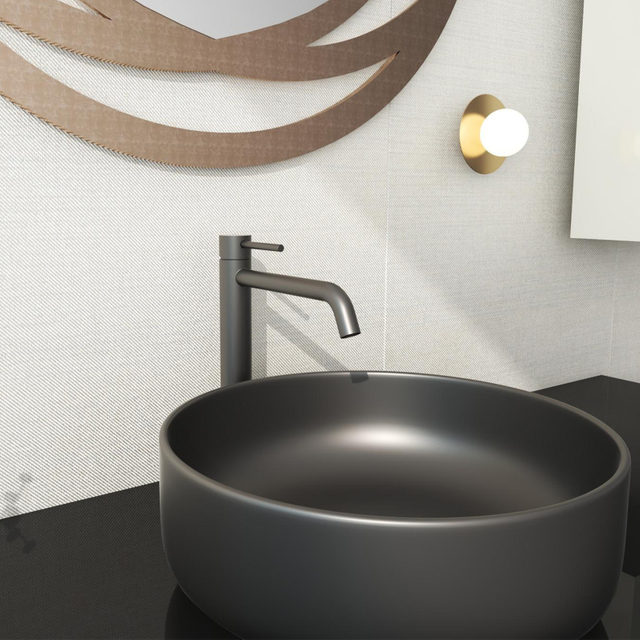
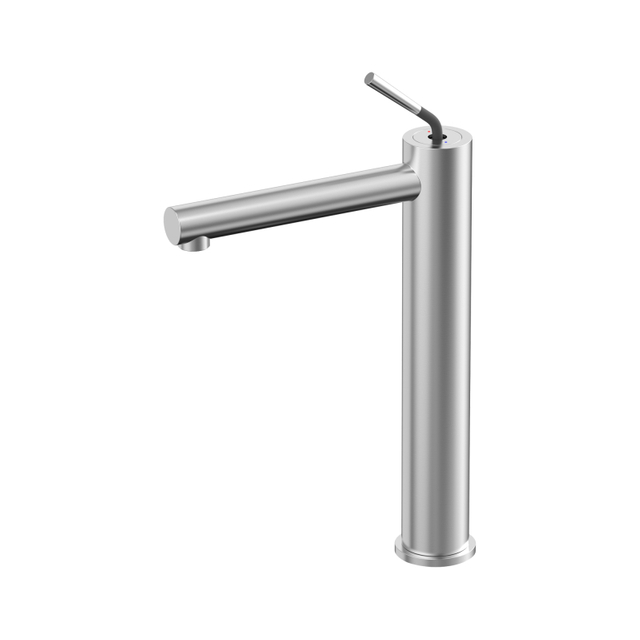
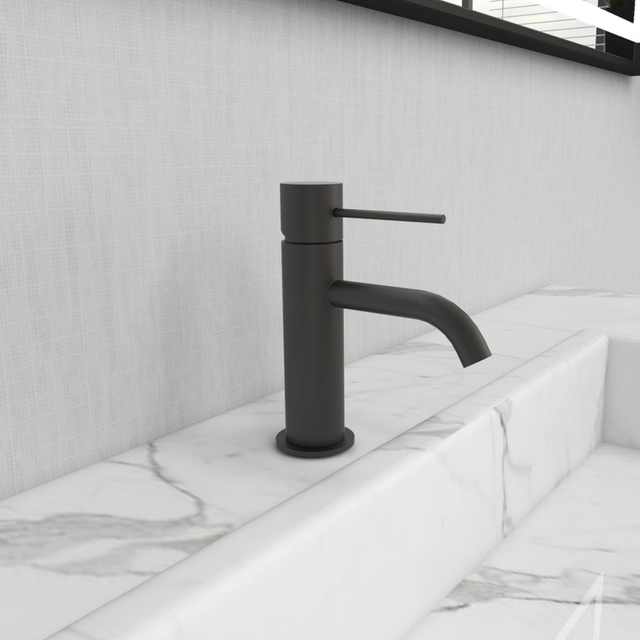
A Basin Mixer is a single-fitting tap that blends hot and cold water through one spout, typically controlled with a single lever or handle. It requires only one tap hole and one connection point on the basin, which simplifies both installation and the plumbing behind the wall.
A pillar tap, by contrast, is a two-tap system — one for hot water, one for cold — each with its own handle and its own tap hole. Users manually balance the temperature by adjusting both taps simultaneously. Pillar taps are more traditional in design and are often associated with classic or heritage-style bathrooms.
The distinction matters most in three areas: installation complexity, user experience, and long-term maintenance costs. Below is a side-by-side comparison to help buyers weigh the trade-offs.
Criteria | Basin Mixer | Pillar Tap |
|---|---|---|
Tap holes required | 1 | 2 |
Temperature control | Single lever, precise blending | Manual balancing of two handles |
Installation complexity | Lower — single connection point | Higher — dual plumbing runs |
Water efficiency | Generally better, due to instant blending | Less efficient — water often runs before reaching desired temperature |
Aesthetic | Modern, streamlined | Traditional, classic |
Maintenance | Fewer components, easier servicing | Two separate valve mechanisms to maintain |
Best suited for | Hotels, modern residential, commercial bathrooms | Heritage-style renovations, budget-conscious traditional projects |
For large-scale projects — hotel chains, apartment developments, commercial fit-outs — basin mixers tend to win out for a few concrete reasons.
Fewer components mean fewer failure points. A single-lever basin mixer has a simpler internal mechanism than two independent pillar tap valves. Fewer moving parts translate to lower long-term maintenance costs across a large property portfolio, where even minor plumbing issues multiply quickly across dozens or hundreds of units.
Installation speed matters at scale. Contractors working through hundreds of basins on a hotel or residential project benefit from the single-hole installation that basin mixers require. This shortens labor time significantly compared to the dual connections a pillar tap demands, which is a meaningful cost saving when multiplied across a large build.
User experience drives satisfaction scores. Guests and residents generally find single-lever temperature control more intuitive than balancing two separate handles. For hospitality operators in particular, tapware that feels modern and functions smoothly contributes directly to guest experience ratings.
That said, pillar taps still have a place. Heritage restoration projects, budget-tier developments, and markets where traditional aesthetics are specifically requested by clients may still call for pillar tap configurations. The right choice depends on the project's design brief and the durability standards required by the market it serves.
Choosing the right configuration is only part of the equation. Sourcing decisions for basin mixers should also account for the following:
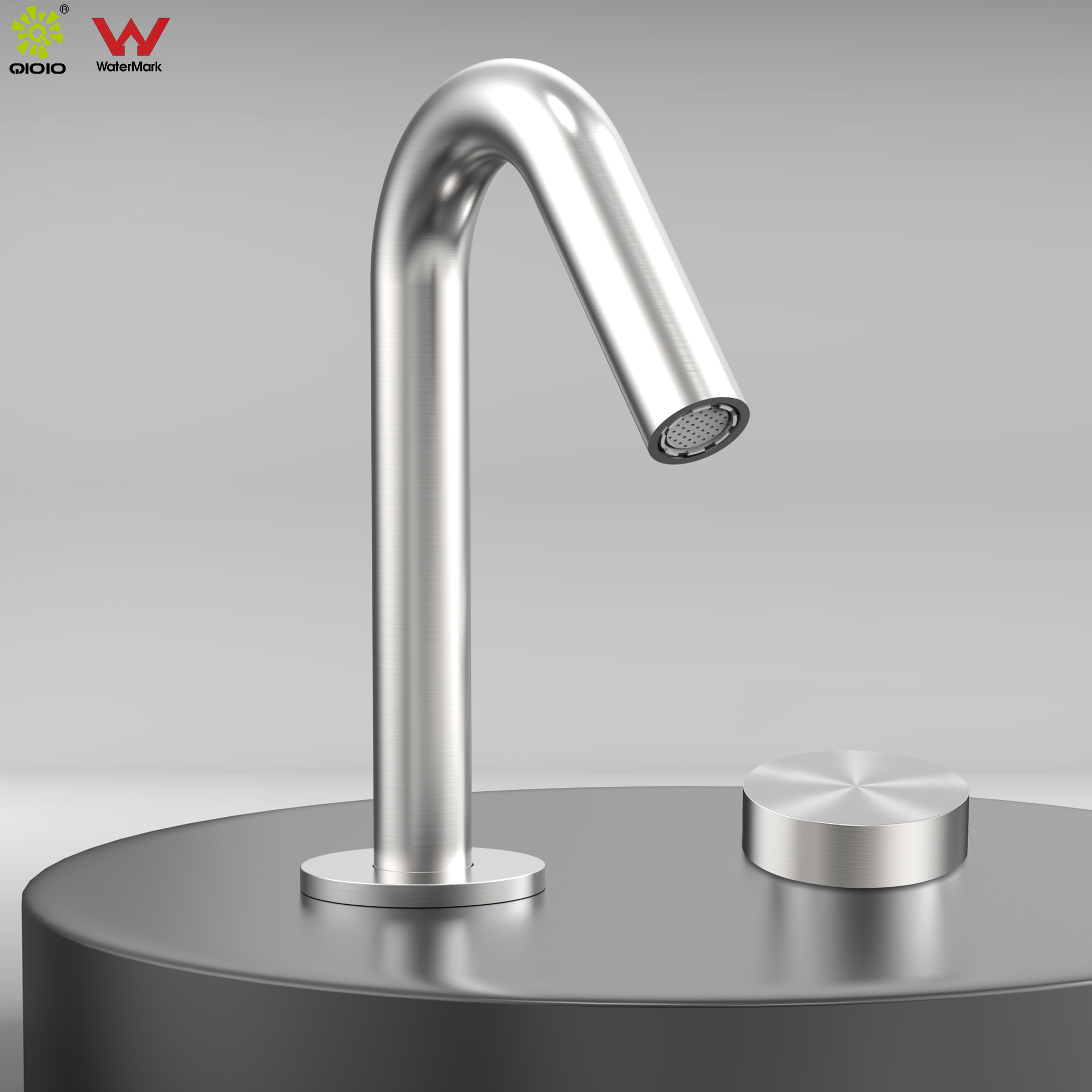

Material and corrosion resistance. Look for Basin Mixer Tap products built from 304 or 316 stainless steel. The latter offers stronger corrosion resistance, which matters for coastal properties, high-humidity environments, or installations exposed to harsh water conditions.
Certification standards. For projects in Australia, North America, or other regulated markets, confirm the supplier holds relevant certifications such as WaterMark, cUPC, or NSF/ANSI standards. These certifications are often mandatory for commercial and hospitality projects and can delay a project significantly if overlooked during sourcing.
Lead-free compliance. Health and safety regulations in many regions require lead-free tapware, particularly for potable water fixtures. Confirm this directly with the manufacturer rather than assuming compliance.
OEM and ODM flexibility. Buyers managing branded product lines or specific design requirements should confirm whether a supplier offers customization options, allowing tapware to be tailored to a project's finish, handle style, or branding needs.
Production capacity and lead times. Large orders require suppliers with reliable factory capacity and consistent delivery timelines. Requesting production capacity details and average lead times upfront avoids surprises during peak procurement periods.
Buyers evaluating suppliers should also review a manufacturer's product range and recent developments directly. Checking a supplier's news and product updates page can offer insight into their innovation pace, certification renewals, and new product launches — all useful signals of a supplier's long-term reliability.
When evaluating manufacturers for bulk basin mixer orders, prioritize suppliers with a demonstrated manufacturing track record, verifiable certifications, and flexibility to support custom specifications. Kaiping Yingchuan Sanitary Ware Technology Co., Ltd, operating under the YCFAUCET brand, is one example of a manufacturer built specifically around these buyer priorities. The company specializes in 304 and 316 stainless steel sanitary ware, holds international certifications including Watermark, cUPC, and NSF/ANSI standards, and offers OEM and ODM customization for buyers with specific branding or design requirements. Its in-house capabilities — spanning R&D, mold manufacturing, and production — give buyers a single point of contact for both standard and customized basin tapware orders, which simplifies vendor management for procurement teams handling multiple SKUs across large projects.
Choosing between a basin mixer and a pillar tap isn't purely an aesthetic decision. It affects installation timelines, long-term maintenance budgets, and how end users experience a space every single day. For most modern commercial and residential projects, basin mixers offer the stronger combination of efficiency, durability, and streamlined installation. Pillar taps still hold value in specific heritage or budget-driven contexts, but they come with trade-offs buyers should weigh carefully before committing to a bulk order.
Before finalizing a supplier, request certification documentation, ask about material specifications, and clarify lead times relative to your project's timeline. These steps protect your project from costly delays and ensure the tapware you specify performs reliably for years after installation.
Is a basin mixer more expensive than a pillar tap?
Unit pricing varies by material and finish, but basin mixers often reduce total installation cost due to simpler plumbing and faster labor time, even if the unit price is comparable or slightly higher.
Can basin mixers be used in commercial and hospitality settings?
Yes. Basin mixers are widely used in hotels, commercial washrooms, and residential developments due to their streamlined installation and intuitive single-lever operation.
Do basin mixers require special certification for export markets?
Many markets, including Australia and North America, require certifications such as WaterMark, cUPC, or NSF/ANSI compliance. Buyers should confirm certification status with suppliers before placing bulk orders.
What material offers the best durability for basin mixer tapware?
316 stainless steel generally offers superior corrosion resistance compared to 304 stainless steel, making it a stronger choice for coastal regions or high-humidity environments.
Are pillar taps outdated for modern construction?
Not entirely. While basin mixers dominate modern and commercial projects, pillar taps remain relevant for heritage-style renovations or budget-tier developments where traditional aesthetics are specifically requested.