- All
- Product Name
- Product Keyword
- Product Model
- Product Summary
- Product Description
- Multi Field Search

Kaiping Yingchuan Sanitary Ware Technology Co., Ltd
304/316 stainless steel sanitary ware manufacturer
 English
Views: 1 Author: Site Editor Publish Time: 2024-10-23 Origin: Site


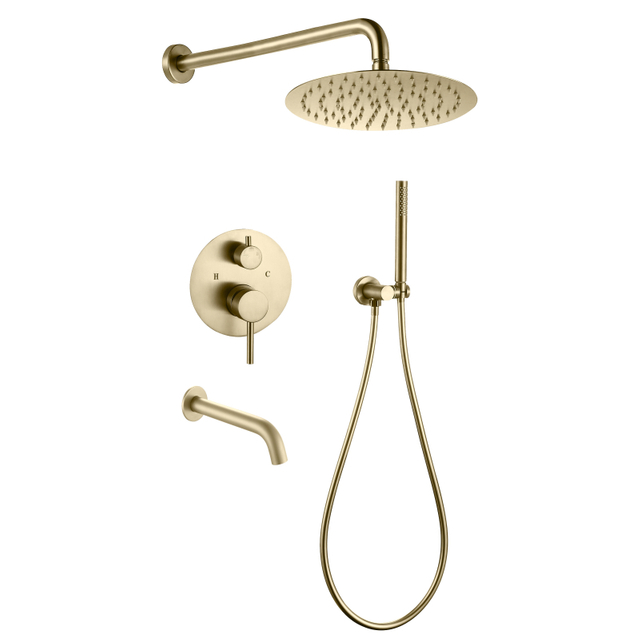
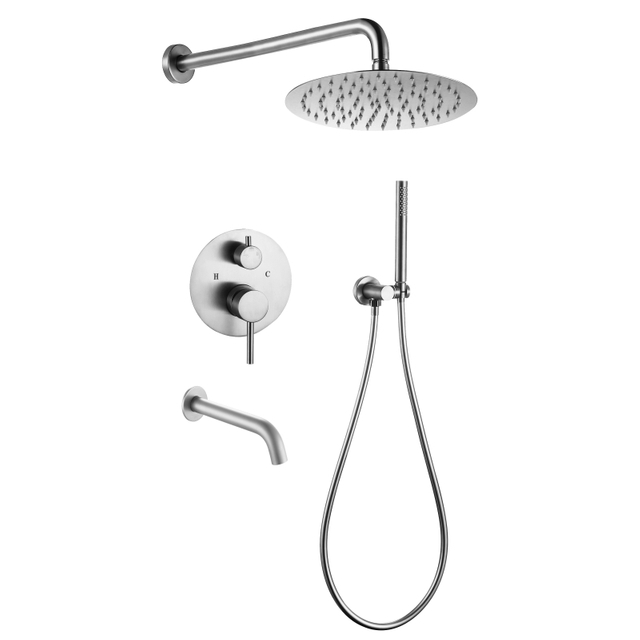
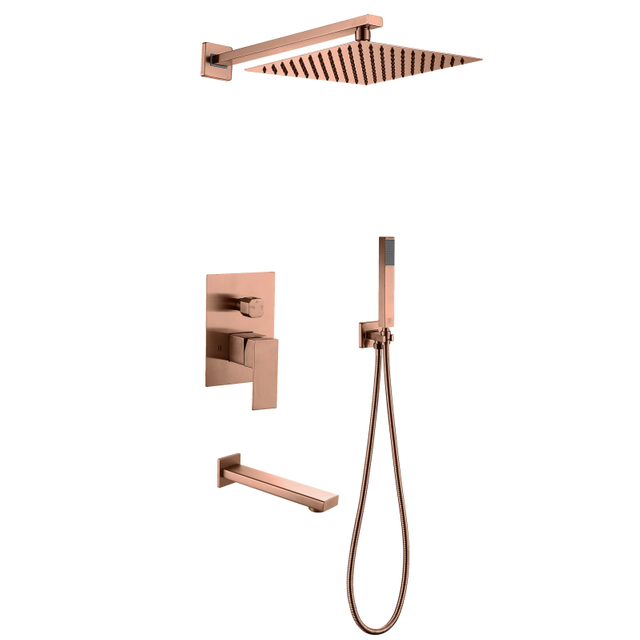
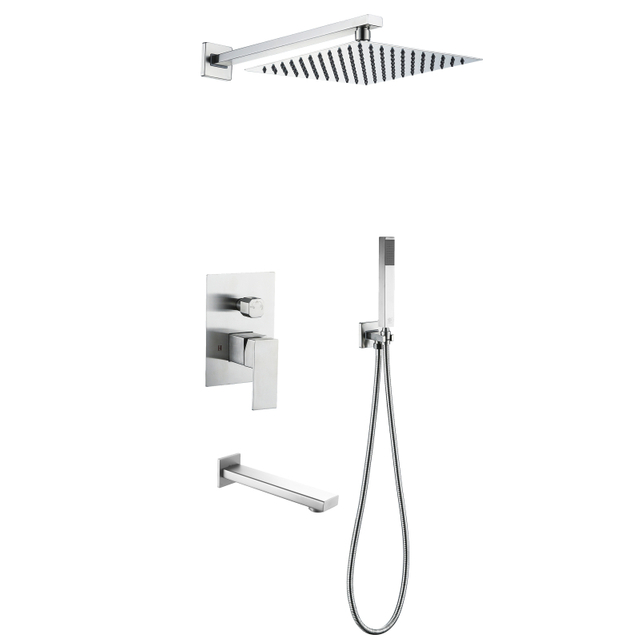
The bathroom is one of the most utilized spaces in any home, and the shower faucet is a critical part of its function and aesthetics. Over time, shower faucets may need to be replaced due to wear, leaks, or simply to upgrade the design. Whether you're dealing with an "American Standard shower faucet cartridge" a "bathtub faucet shower," or a "cross handle shower faucet," understanding how to change out a shower faucet can save you time and money.
In this article, we will cover the key steps involved in changing a shower faucet, replacing a shower faucet handle, and removing a shower faucet. These tips will help both novice DIYers and seasoned home improvement enthusiasts manage the task efficiently.
Step 1: Turn Off the Water Supply
Before starting, you must locate and turn off the water supply to the shower. This will prevent water from gushing out when you remove the faucet. You can usually find the shut-off valves near the shower or bathtub, but in some cases, it may be necessary to turn off the main water supply to the entire house.
Step 2: Remove the Old Faucet
Once the water is turned off, remove the old shower faucet. This process will vary slightly depending on the type of faucet you have installed. For an "American Standard shower faucet cartridge," you'll need to unscrew the screws holding the faucet in place using a screwdriver. After the screws are removed, you should be able to pull off the faucet easily.
Step 3: Install the New Faucet
Next, prepare to install the new shower faucet. If you're replacing it with a similar model, the installation process should be straightforward. Simply align the new faucet with the plumbing and secure it in place with screws. Make sure everything is tightened properly to prevent future leaks.
For those switching to a different type of faucet, such as a "cross handle shower faucet," you may need to adjust the plumbing to accommodate the new design. This might require some additional tools or professional assistance depending on the complexity of the change.
Step 4: Reconnect the Water Supply and Test
Once the new faucet is installed, turn the water supply back on. Test the faucet by running the water through it to ensure there are no leaks and that the water flows properly. If any leaks are found, tighten the connections until the problem is resolved.


Replacing a shower faucet handle is one of the most common home maintenance tasks, often due to wear or to upgrade the look of the bathroom. Here's how to handle it:
Step 1: Turn Off the Water Supply
Just like when changing the entire faucet, you'll need to turn off the water supply before replacing the handle to avoid accidents. This is especially important when working with older faucet handles that may break off during removal.
Step 2: Remove the Old Handle
Using a screwdriver or Allen wrench (depending on the model), loosen the screw that holds the handle in place. In most cases, the screw is located either under a decorative cap or directly on the side of the handle. Once the screw is removed, pull the handle off the valve stem. If it’s stuck, use a handle puller tool to prevent damage to the plumbing.
Step 3: Install the New Handle
Before installing the new handle, ensure that the valve stem is in good condition and doesn't need replacement. Align the new handle with the valve stem and screw it in place. Be sure to tighten the handle firmly without overtightening, which can cause it to crack or become difficult to use.
Step 4: Test the Handle
Turn the water supply back on and test the new handle. Ensure it moves smoothly and that the water turns on and off correctly. Adjust the handle as needed if it’s not functioning properly.


Removing a shower faucet may be necessary for a complete bathroom remodel, a leak repair, or when replacing it with a new model. Here’s how you can do it:
Step 1: Shut Off the Water Supply
Before starting, as always, turn off the water supply. This step is crucial to avoid any mess or potential damage.
Step 2: Remove the Handle
To remove the handle of the faucet, locate the screw (typically hidden beneath a small cap) and unscrew it with a screwdriver or Allen wrench. After the screw is loosened, gently pull the handle off. If the handle doesn’t budge, a handle puller tool can assist in prying it loose without damage.
Step 3: Remove the Trim and Faucet Body
Once the handle is removed, you’ll need to take off the trim plate, which is held in place by screws. Unscrew the plate and set it aside. If you're dealing with an "American Standard shower faucet cartridge," this step is straightforward. Once the trim plate is removed, you can access the faucet body or cartridge itself.
Use a wrench to loosen and remove the faucet body from the wall. Take care to do this slowly to avoid damaging the pipes or fittings inside the wall.
Step 4: Install a New Faucet or Close the System
At this point, you can either install a new faucet (following the instructions from the earlier section on how to change out a faucet) or cap the pipes if you're renovating or waiting to install a new system. Make sure the new faucet fits properly and that all connections are secure to prevent leaks.

Whether you're upgrading your bathroom's look with a new "cross handle shower faucet" or fixing a leaky "bathtub faucet shower," replacing or removing a shower faucet is a manageable DIY project. Following the steps above can help ensure that the job is done right, without the need for professional assistance.
For top-quality shower faucets and handles, including the "American Standard shower faucet cartridge," we highly recommend YC Faucet. For further inquiries, feel free to contact YC Faucet via:
Email: qioio@ycfaucet.com
Phone: +86-180 3312 2096
By upgrading your shower faucet, you can enhance both the functionality and the aesthetics of your bathroom. Happy DIYing!