- All
- Product Name
- Product Keyword
- Product Model
- Product Summary
- Product Description
- Multi Field Search

Kaiping Yingchuan Sanitary Ware Technology Co., Ltd
304/316 stainless steel sanitary ware manufacturer
 English
Views: 0 Author: Site Editor Publish Time: 2026-02-24 Origin: Site


Replacing a kitchen sink faucet is one of the most practical upgrades you can make in your home. Whether your current fixture is leaking, outdated, corroded, or simply not matching your kitchen design, a proper kitchen sink faucet replacement improves water efficiency, enhances convenience, and upgrades overall appearance.
If you are wondering how to change a kitchen sink faucet without hiring a plumber, this detailed guide will walk you through every step. From identifying kitchen sink faucet parts to completing a secure installation, this article covers everything you need to know about a successful kitchen sink faucet replacement.
Understanding how to change a kitchen sink faucet gives you full control over maintenance and upgrades. A kitchen sink faucet works daily, which means wear and tear is inevitable. Over time, internal kitchen sink faucet parts such as cartridges, O-rings, and seals may fail.


Persistent leaks under the sink
Rust or corrosion on visible surfaces
Low water pressure
Loose handles
Outdated design
Water inefficiency
Instead of repeatedly repairing kitchen sink faucet parts, a complete kitchen sink faucet replacement often saves time and money in the long run.
Before starting your kitchen sink faucet replacement, gather the necessary tools. Preparation ensures a smooth installation process.
| Tool | Purpose During Kitchen Sink Faucet Replacement |
|---|---|
| Adjustable wrench | Loosening supply line nuts |
| Basin wrench | Removing mounting nuts under sink |
| Bucket | Catching residual water |
| Plumber’s tape | Sealing threaded connections |
| Screwdriver | Removing mounting screws |
| Towel or cloth | Cleaning area |
Having the right tools helps prevent damage to delicate kitchen sink faucet parts during removal.
Removing the existing kitchen sink faucet is the first step in kitchen sink faucet replacement.
Locate the shut-off valves beneath the sink. Turn both hot and cold valves clockwise. Open the kitchen sink faucet to release remaining water pressure.
Use an adjustable wrench to detach supply lines from the kitchen sink faucet. Keep a bucket underneath to catch any water.
Most kitchen sink faucet parts are secured with mounting nuts beneath the sink. A basin wrench makes this step easier in tight spaces.
Once detached, carefully lift the old kitchen sink faucet from the sink surface. Clean the area thoroughly before installing the new unit.
Proper removal ensures your kitchen sink faucet replacement begins on a clean, stable surface.

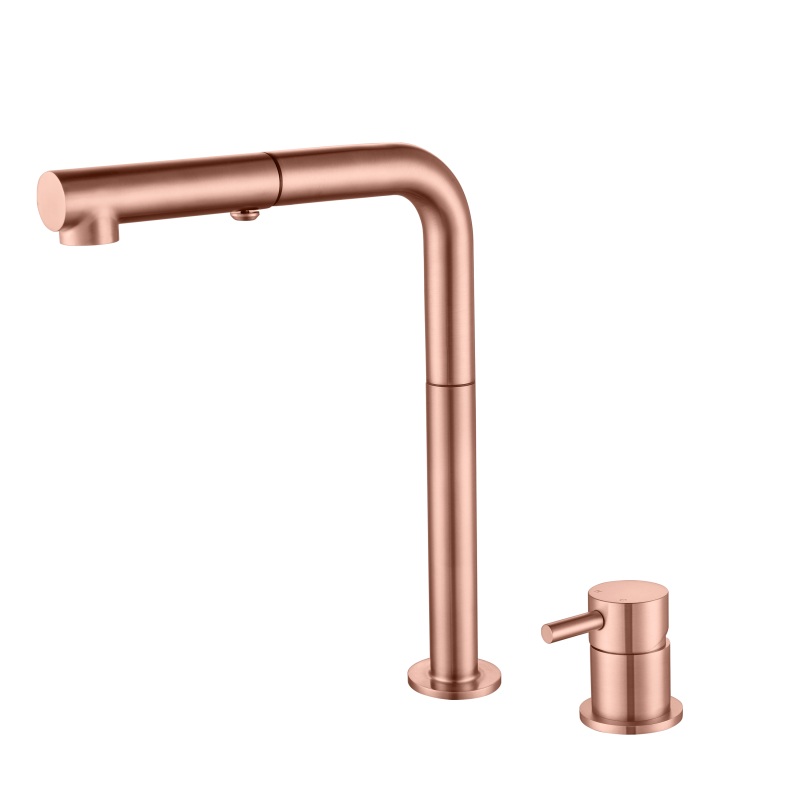
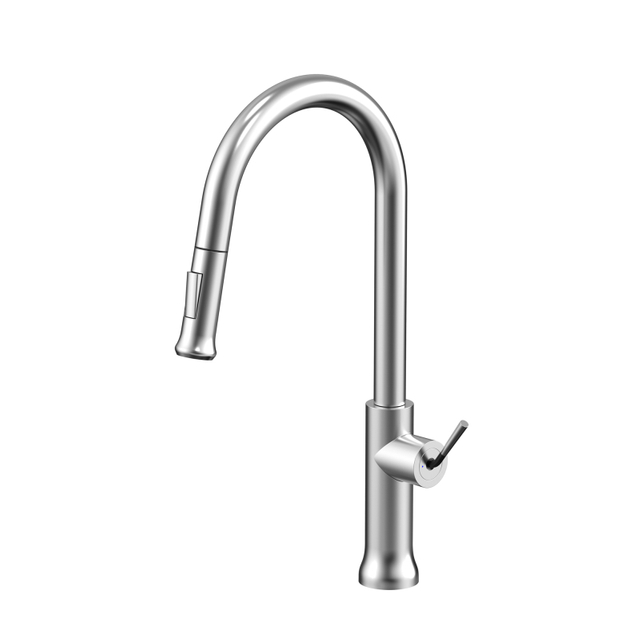
Before installing a new kitchen sink faucet, understanding the main kitchen sink faucet parts is crucial.
Faucet body
Handle or lever
Cartridge
Spout
Aerator
Mounting hardware
Supply hoses
Escutcheon plate
Each component plays a role in ensuring smooth operation. During kitchen sink faucet replacement, inspect these kitchen sink faucet parts to confirm everything is included in your new package.
Now comes the most important stage of kitchen sink faucet replacement.
Insert the new kitchen sink faucet into the mounting holes on the sink deck. If necessary, use an escutcheon plate to cover extra holes.
Underneath the sink, attach washers and mounting nuts to secure the kitchen sink faucet firmly in place.
Attach hot and cold water supply lines to the corresponding inlets on the kitchen sink faucet. Apply plumber’s tape to threaded connections to prevent leaks.
Ensure the kitchen sink faucet is centered and properly aligned before fully tightening.
Slowly turn on the shut-off valves. Test the kitchen sink faucet for leaks and proper water flow.
Completing these steps carefully guarantees a successful kitchen sink faucet replacement.


Even a straightforward kitchen sink faucet replacement can go wrong if mistakes occur.
Always turn off water before touching kitchen sink faucet parts.
Excessive force may damage threads or crack internal kitchen sink faucet parts.
Debris under the base may cause uneven installation or leaks.
Ensure supply lines are connected correctly during kitchen sink faucet replacement.
Avoiding these errors ensures your kitchen sink faucet performs reliably.
Most homeowners complete kitchen sink faucet replacement within 1 to 2 hours. The process may take longer if:
Mounting nuts are corroded
Sink space is limited
Old kitchen sink faucet parts are stuck
Proper planning and correct tools significantly reduce installation time.
How Can You Maintain Your Kitchen Sink Faucet After Installation?
After kitchen sink faucet replacement, regular maintenance extends lifespan.
Maintenance tips:
Clean aerator monthly
Inspect kitchen sink faucet parts for leaks
Avoid harsh chemical cleaners
Check supply lines annually
Routine care prevents premature failure of kitchen sink faucet parts and protects your investment.
Sometimes repairing kitchen sink faucet parts makes sense. However, consider full kitchen sink faucet replacement when:
Multiple components are failing
The faucet is over 8–10 years old
Water efficiency is poor
Corrosion is visible
A modern kitchen sink faucet often provides better water control, smoother operation, and improved durability.
DIY kitchen sink faucet replacement saves labor costs. If you follow proper steps, most installations require only basic tools and patience.
However, if plumbing connections are severely corroded or complex, professional assistance may be necessary.
For most standard setups, learning how to change a kitchen sink faucet is practical, cost-effective, and rewarding.
If your kitchen sink faucet leaks persistently, has low pressure, or shows corrosion, kitchen sink faucet replacement is recommended instead of repairing individual kitchen sink faucet parts.
Yes, most kitchen sink faucet replacement projects require basic tools like a wrench, basin wrench, screwdriver, and plumber’s tape.
Inspect kitchen sink faucet parts at least once per year to detect leaks, worn seals, or loose connections.
Leaks after kitchen sink faucet replacement often result from loose connections, missing plumber’s tape, or misaligned kitchen sink faucet parts.
Yes, modern kitchen sink faucet models are designed for better flow control, reducing water waste while maintaining performance.
Choosing high-quality materials makes a major difference in durability and performance. If you are planning a reliable kitchen sink faucet replacement with dependable kitchen sink faucet parts, consider selecting products from yc faucet for consistent quality and long-term performance.
Email: qioio@ycfaucet.com
Phone: +86-180 3312 2096