- All
- Product Name
- Product Keyword
- Product Model
- Product Summary
- Product Description
- Multi Field Search

Kaiping Yingchuan Sanitary Ware Technology Co., Ltd
304/316 stainless steel sanitary ware manufacturer
 English
Views: 0 Author: Site Editor Publish Time: 2026-01-20 Origin: Site


Knowing how to replace a shower faucet is an essential skill for homeowners who want to maintain a reliable bathroom system. A worn or leaking shower faucet not only wastes water but can also cause hidden wall damage over time. Learning proper shower faucet repair techniques helps avoid costly plumbing emergencies. Whether you are working on a standard shower faucet or a bathtub shower faucet, replacement ensures stable water pressure, smooth temperature control, and improved shower comfort.
A shower faucet replacement also provides an opportunity to upgrade outdated fixtures. Modern bathtub shower faucet designs offer better durability, easier maintenance, and compatibility with contemporary bathrooms. Understanding shower faucet repair basics gives homeowners confidence to handle common issues safely.

Before starting a shower faucet replacement, preparation is critical. Using the correct tools makes shower faucet repair smoother and reduces the risk of damage.
| Tool Name | Purpose During Shower Faucet Repair |
|---|---|
| Adjustable wrench | Loosening shower faucet connections |
| Screwdriver set | Removing shower faucet handles |
| Plumber’s tape | Sealing threaded joints |
| Allen key | Detaching bathtub shower faucet handles |
| Utility knife | Cutting old sealant |
| Towel | Protecting bathtub shower faucet surfaces |
Having these tools ready ensures the shower faucet replacement process runs efficiently. For bathtub shower faucet work, proper tools prevent scratches and accidental leaks.
Turning off the water supply is the most critical safety step in shower faucet repair. Many homes have a main shutoff valve near the water meter. If local shutoff valves exist near the bathtub shower faucet, turning those off is more convenient.
After shutting off the water, open the shower faucet to drain residual pressure. This step prevents sudden water bursts during shower faucet replacement. Skipping this process can cause unnecessary mess or damage behind the wall.
Removing an old shower faucet requires patience. Start by removing the handle using a screwdriver or Allen key. Decorative caps on bathtub shower faucet handles often hide screws. Carefully pry these caps off to avoid cracking them.
Once the handle is removed, unscrew the trim plate. If caulk is present, use a utility knife to cut around the edges. This step prevents tile damage during shower faucet repair. Finally, loosen the valve assembly carefully to avoid twisting the pipes behind the wall.
Not all shower faucet models are interchangeable. Before installing a new bathtub shower faucet, measure the valve size, pipe spacing, and wall depth. Compatibility ensures that the shower faucet replacement fits securely without leaks.
Matching the new shower faucet with existing plumbing minimizes unnecessary shower faucet repair adjustments. Always check connection type compatibility before proceeding.
Installing a new shower faucet requires careful alignment. Wrap plumber’s tape around threaded connections to ensure leak prevention. Insert the new valve assembly securely, tightening evenly.
Reattach the trim plate and handle once the shower faucet is seated properly. During bathtub shower faucet installation, confirm that the diverter operates smoothly. Turn the water supply back on slowly and test the shower faucet for leaks.
Testing is a vital part of shower faucet repair. Turn on the water and inspect all connection points. Run both hot and cold water to ensure temperature balance. For a bathtub shower faucet, test the diverter by switching between tub spout and showerhead.
If leaks appear, tighten fittings gently. Avoid overtightening, which can damage the shower faucet or internal seals.
Many homeowners encounter problems during shower faucet replacement due to avoidable mistakes. Common issues include skipping plumber’s tape, misaligning the valve, or failing to test water pressure.
Improper handling of a bathtub shower faucet diverter is another frequent error. Paying attention to installation steps prevents repeat shower faucet repair later.
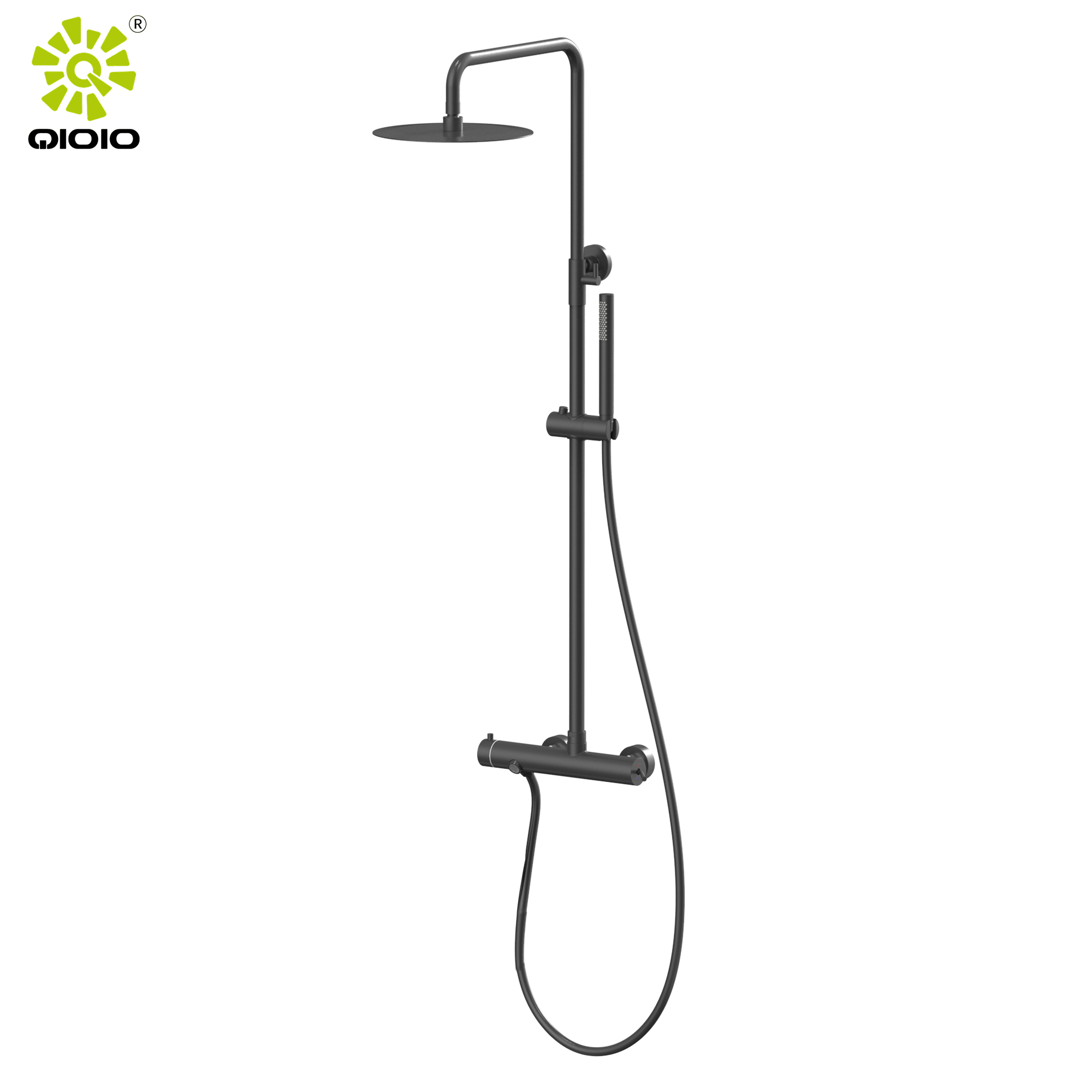
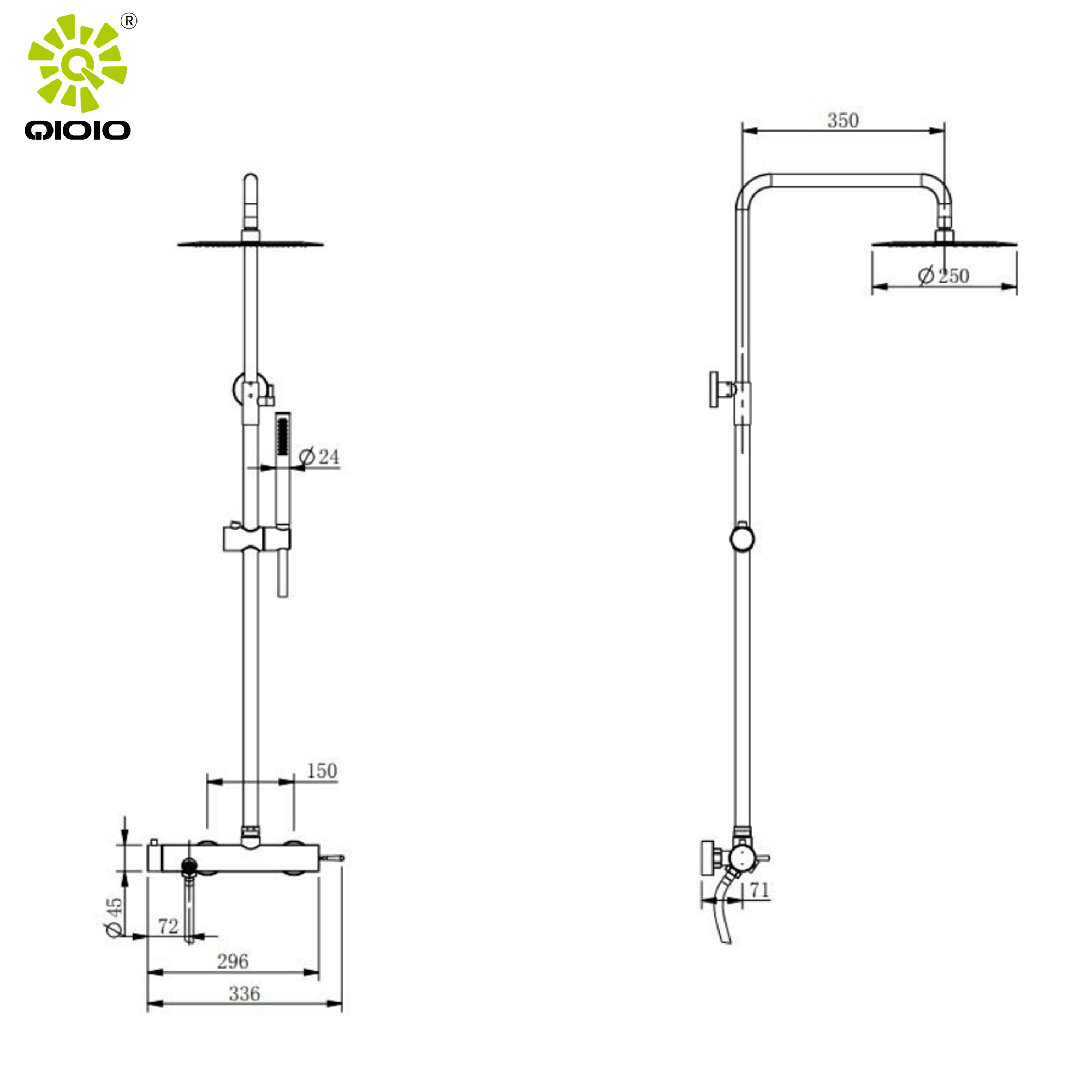
Shower faucet repair works well for minor leaks or worn washers. However, severe corrosion, cracked valves, or outdated bathtub shower faucet systems require full replacement.
Frequent dripping or inconsistent temperature control indicates that shower faucet replacement is more cost-effective long-term. Replacing old fixtures improves reliability and water efficiency.
A high-quality shower faucet enhances daily comfort and long-term durability. Smooth handle movement, reliable seals, and solid construction reduce future shower faucet repair needs.
Upgrading a bathtub shower faucet improves water flow control and enhances overall bathroom aesthetics. Quality fixtures also minimize internal wear, extending service life.
Routine maintenance reduces the need for frequent shower faucet repair. Clean mineral buildup regularly and avoid excessive force when operating handles.
Inspect your bathtub shower faucet periodically for leaks or loose parts. Early detection prevents costly replacements and keeps the shower faucet functioning optimally.
Yes, with proper tools and instructions, beginners can complete basic shower faucet repair. Complex bathtub shower faucet systems may require professional assistance.
Most shower faucet replacement projects take one to two hours, depending on complexity and accessibility.
A bathtub shower faucet includes a diverter, adding one extra step during shower faucet repair.
Worn seals, mineral buildup, or improper installation are common causes requiring shower faucet repair or replacement.
A shower faucet typically lasts 10–15 years, depending on usage and maintenance quality.

For homeowners seeking reliable performance, smooth operation, and long-term durability, yc faucet offers dependable solutions suitable for both shower faucet replacement and bathtub shower faucet upgrades. Choosing a quality option reduces future shower faucet repair needs while improving everyday comfort.
Email: qioio@ycfaucet.com
Phone: +86-180 3312 2096


