- All
- Product Name
- Product Keyword
- Product Model
- Product Summary
- Product Description
- Multi Field Search

Kaiping Yingchuan Sanitary Ware Technology Co., Ltd
304/316 stainless steel sanitary ware manufacturer
 English
Views: 0 Author: Site Editor Publish Time: 2026-02-05 Origin: Site


When renovating a bathroom, many homeowners assume that a faucet is just a faucet. You might see a stunning design and wonder if you can install it on your bathtub, even if it is labeled for a sink. However, the reality of plumbing fixtures is much more complex. Tub faucets and bathroom sink faucets are not the same! They have fundamentally different water flow rates, installation types, and features like thermostatic controls and hand showers. Mistaking one for the other can lead to slow-filling tubs, installation nightmares, or even expensive plumbing failures.
This article explores the critical distinctions between these fixtures. We will cover why bath tub faucets are built for volume, how bath shower systems differ from standard sinks, and what to consider before you make a purchase. Whether you are planning a new build or need a shower faucet repair guide, understanding these differences is essential.
The most significant difference between a sink faucet and a tub faucet is the flow rate. Have you ever tried to fill a large bucket with a kitchen sprayer? It takes forever. That is exactly what happens if you try to use a sink faucet on a bathtub.
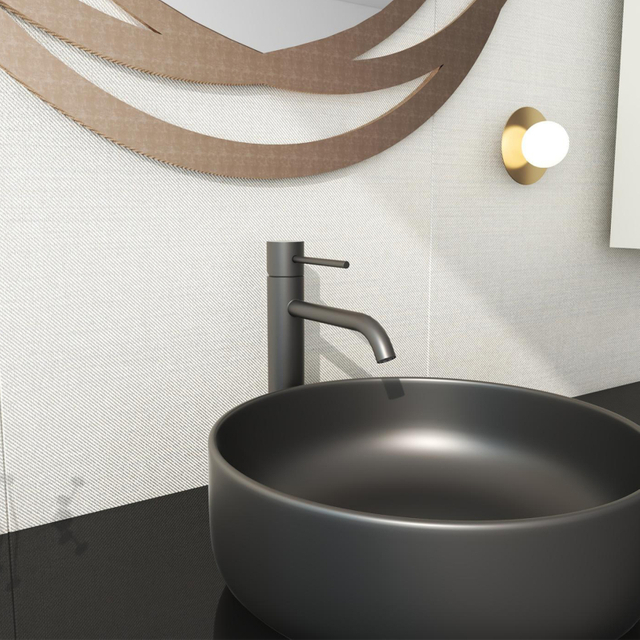
Sink faucets are designed for tasks like washing hands, brushing teeth, or rinsing a razor. These activities do not require a massive volume of water. In fact, most modern sink faucets are restricted to save water, often pushing out around 1.0 to 1.5 gallons per minute (GPM). This is great for the environment but terrible for filling a 60-gallon soaking tub.
Bath tub faucets, on the other hand, are designed for speed and volume. A standard tub filler needs to deliver between 4 to 7 GPM, sometimes even higher for large luxury tubs. If you install a sink faucet on a tub, your water might get cold before the tub is even half full. When dealing with bath shower combinations, maintaining this high flow rate is crucial to ensure the diverter works correctly, sending water up to the showerhead with enough pressure.

Plumbing rough-ins are rarely interchangeable between sinks and tubs. The supply lines for a sink are usually much smaller, typically 3/8-inch or 1/2-inch supply lines. Bath tub faucets often require larger supply lines, sometimes up to 3/4-inch, to accommodate the higher water volume needed.
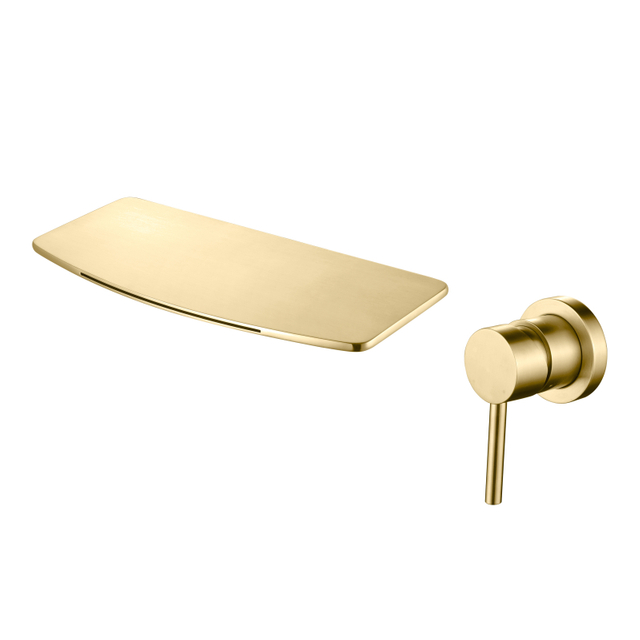
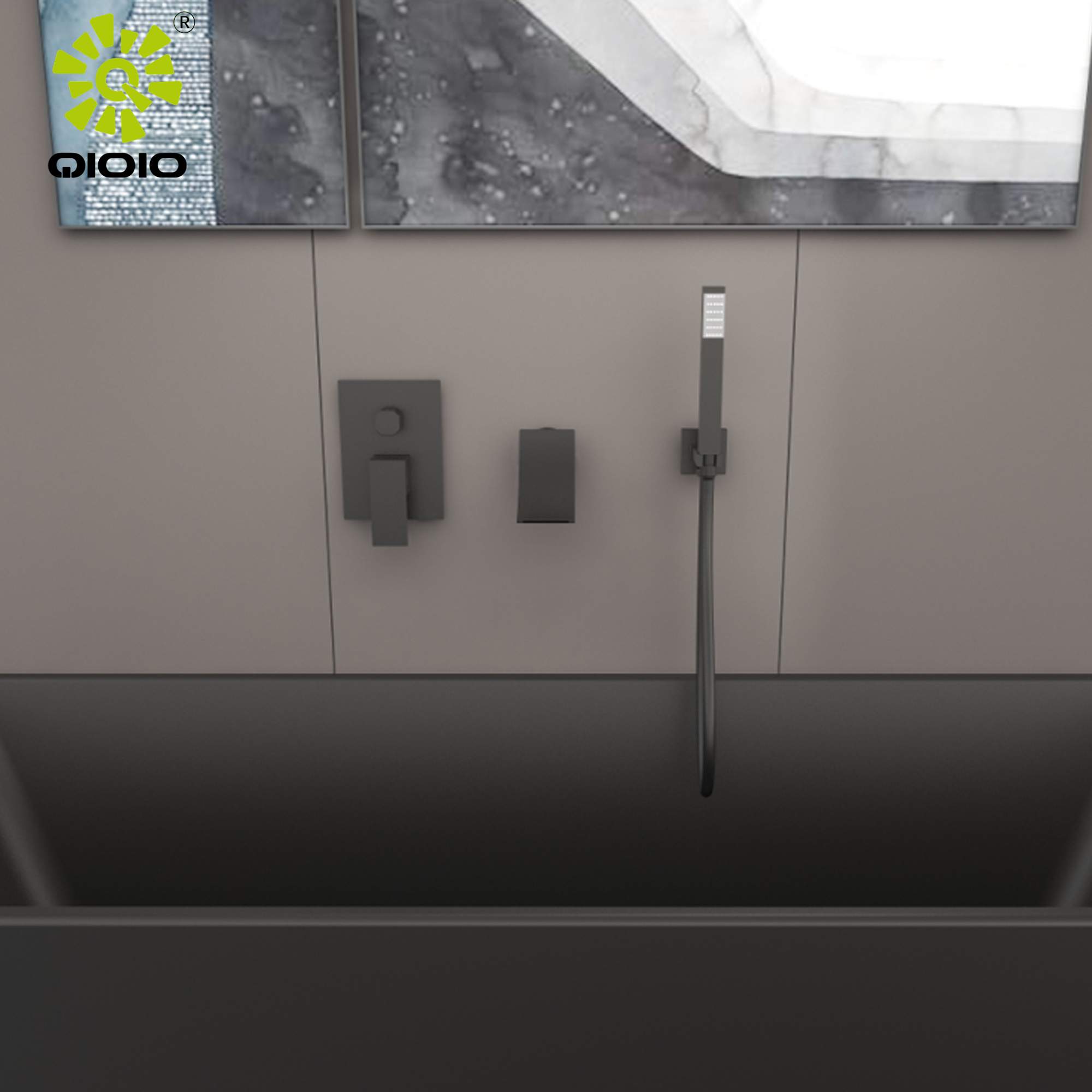
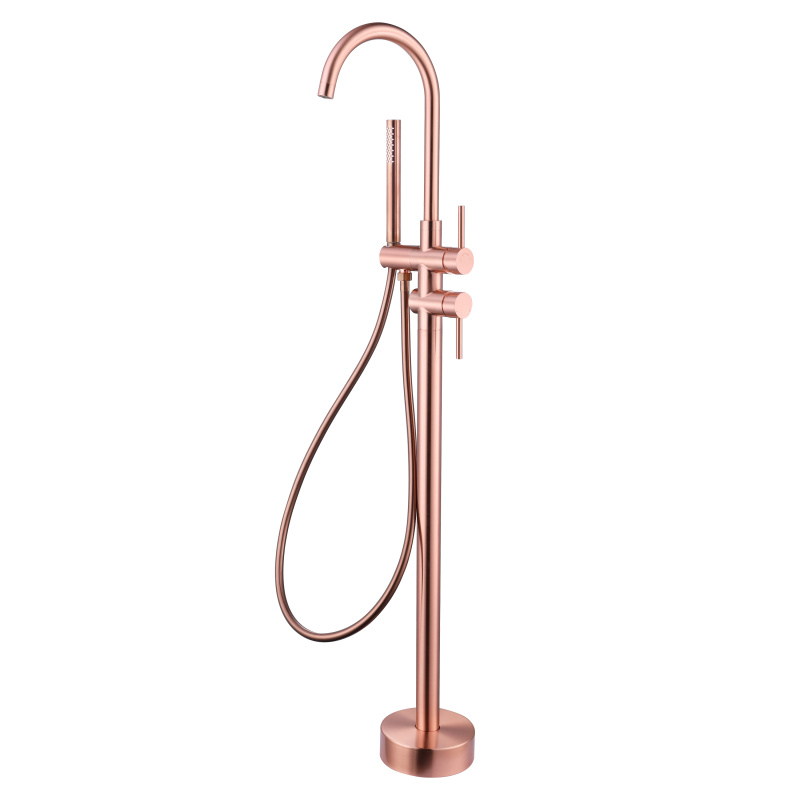
Beyond pipe size, the physical mounting differs significantly. Sink faucets are almost always deck-mounted (on the countertop or sink rim) or wall-mounted directly above the basin. Bath tub faucets have a wider variety of installation styles. You might find floor-mounted (freestanding) fillers for clawfoot tubs, Roman tub faucets that mount on the wide deck of a drop-in tub, or wall-mounted valves that require specific rough-in valves behind the tiles.
If you are facing a shower faucet repair, you quickly realize that the valves inside the wall for a tub/shower combo are far more complex than the simple cartridge found under a sink handle. The internal valve for a bath shower setup often includes a pressure-balance loop or thermostatic valve to prevent scalding when someone flushes a toilet elsewhere in the house. Sink faucets rarely need this level of internal complexity.
The short answer is usually no. A bath shower system relies on a diverter—a mechanism that redirects water from the tub spout to the showerhead. Sink faucets do not have diverters because they do not connect to showerheads.
If you attempt to retrofit a sink faucet into a bath tub faucet scenario, you will have no way to engage a shower. Furthermore, the spout reach is often too short. A sink faucet is designed to reach over a small basin. A tub spout needs a longer reach to clear the wide rim of a bathtub and deposit water into the bowl without splashing onto the deck.
For those attempting a DIY renovation or a shower faucet repair, using the wrong fixture is a common mistake that leads to water damage. Water pooling on the tub deck because a spout is too short can seep into grout lines and cause rot. Always ensure you are selecting dedicated bath tub faucets that are engineered with the correct spout reach and diverter capabilities.
Sink faucets are generally straightforward: hot, cold, and a mix. While design styles vary, the functionality remains simple. Bath tub faucets, specifically modern ones, offer a suite of advanced features designed for bathing comfort.
One major difference is the inclusion of a hand shower. Many bath tub faucets, especially Roman tub fillers and freestanding models, come with a diverter and a handheld sprayer. This makes cleaning the tub and rinsing off soap much easier. You rarely see a bathroom sink faucet with a pull-out sprayer unless it is a utility sink.
Thermostatic controls are another key differentiator. In high-end bath shower systems, you can set the exact temperature of the water. The valve adjusts the mix of hot and cold water automatically to maintain that temperature, even if the water pressure fluctuates. This is a safety feature rarely found in standard sink faucets but is increasingly common in premium bath tub faucets.
Feature | Bathroom Sink Faucet | Bath Tub Faucets |
|---|---|---|
Flow Rate (GPM) | 1.0 – 1.5 GPM | 4.0 – 7.0+ GPM |
Supply Line Size | Typically 3/8" or 1/2" | 1/2" or 3/4" |
Diverter Valve | No | Yes (for bath shower combos) |
Hand Shower | Rare | Common |
Spout Reach | Short (3-5 inches) | Long (6-9+ inches) |
Installation | Deck or Wall Mount | Floor, Deck, or Wall Mount |
Understanding the difference between these fixtures helps when things break. Shower faucet repair is often more involved than fixing a leaky sink. If your bath shower faucet is dripping, it is usually a sign of a worn-out cartridge or washer inside the wall valve. Because bath tub faucets handle higher pressure and volume, the wear and tear on these internal components can be significant.
Reduced water pressure: This might indicate mineral buildup in the bath shower head or valve. Inconsistent temperature: If the water suddenly goes cold or scalding hot, the pressure-balance spool or thermostatic cartridge is likely failing.
Leaking tub spout when showering: This means the diverter gate in your bath tub faucets is not sealing correctly, wasting water.
Repairing a sink faucet is usually a matter of unscrewing the handle and replacing a cartridge under the sink. Shower faucet repair often requires shutting off the main water supply and sometimes removing the escutcheon plate to access the valve body inside the wall. If you are unsure, professional help is often safer to avoid damaging the pipes behind the tile.
You might notice a price disparity when shopping. Bath tub faucets are generally more expensive than sink faucets. This price difference reflects the amount of material used and the engineering required. Bath tub faucets are physically larger, requiring more brass or stainless steel. They also include higher-flow valves and often come with additional components like hand showers and hoses.
When you buy a bath shower system, you are paying for the external trim (handles and spout) and often the internal rough-in valve, which is a heavy brass component. Cheap bath tub faucets might use plastic internal parts, which are prone to cracking and will lead to an early need for shower faucet repair. Investing in solid brass construction ensures longevity, especially for fixtures that are sealed behind a tiled wall.

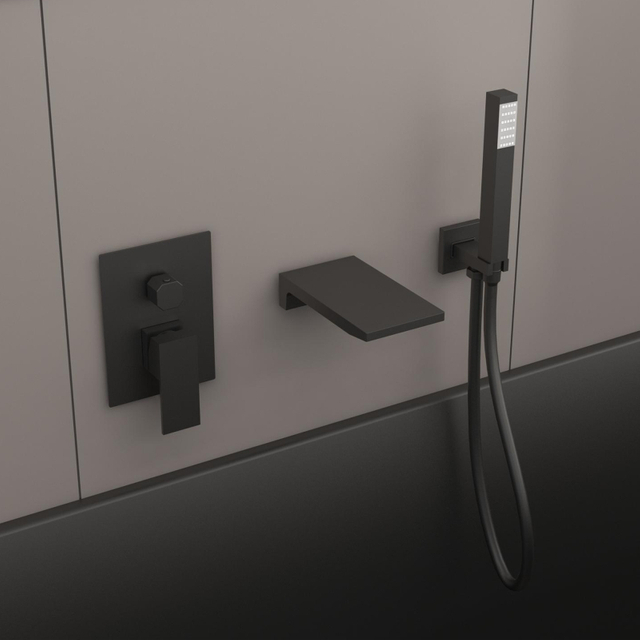
Wall-Mounted: The classic choice for tub/shower combinations. The spout protrudes from the wall. These are efficient and save space. Deck-Mounted (Roman Tub): These are installed on the flat rim of the bathtub or a tiled surround. They usually require three holes (hot, cold, and spout) and often a fourth for a hand shower. Freestanding (Floor-Mounted): These tall, elegant fillers stand on the floor next to the tub. They are essential for modern freestanding tubs that do not have a faucet deck. Tub Wall-Mounted: Specifically for clawfoot tubs, these mount directly onto the vertical wall of the tub itself.
Each type has specific plumbing requirements. You cannot swap a deck-mounted unit for a freestanding one without ripping up the floor. This rigidity is why planning is vital. Unlike a sink where you can often swap one single-hole faucet for another easily, changing bath tub faucets often involves construction work.
Selecting the right bath shower fixture involves matching the faucet to your plumbing reality and your aesthetic goals. First, check your water pressure. High-flow bath tub faucets require adequate household water pressure to function correctly. If you have low pressure, a massive waterfall spout might just trickle.
Second, consider the finish durability. Bath shower environments are wet and humid. Inferior finishes will corrode or peel. Look for PVD (Physical Vapor Deposition) finishes that bond the color to the metal at a molecular level. This is critical to avoiding frequent shower faucet repair or cosmetic replacement.
Third, think about future maintenance. Installing a brand with widely available parts makes future shower faucet repair much easier. If you buy an obscure brand, finding a replacement cartridge five years from now might be impossible, forcing you to replace the entire valve and retile the wall.
The diverter is a frequent point of failure in bath shower systems. This small mechanism takes a lot of abuse. Every time you pull that knob to switch from filling the tub to taking a shower, you are engaging a seal. Over time, calcium deposits can seize the diverter, or the rubber washer can disintegrate.
If your shower has weak pressure but water is still pouring out of the tub spout, you need a shower faucet repair focused on the diverter. For bath tub faucets with a slip-on spout, this is an easy fix—you just replace the spout. For valve-integrated diverters (a button or lever on the wall plate), the repair involves accessing the valve body. Keeping up with these repairs ensures your bath shower experience remains luxurious and efficient.
While swapping a sink faucet is a beginner-friendly DIY project, installing bath tub faucets is intermediate to advanced. The stakes are higher. A leak under a sink is usually spotted quickly because you open the cabinet. A leak in a bath shower valve behind a wall might go unnoticed for months, causing mold and structural rot.
Furthermore, soldering copper pipes or securing PEX lines for a bath shower valve requires specific tools and skills. If the valve is not anchored securely, the pipes can rattle (water hammer) or even break over time. Unless you are confident in your plumbing skills, hiring a professional for bath tub faucets installation or major shower faucet repair is a wise investment.
Your bathroom is a sanctuary, and the bath shower area is its centerpiece. Choosing high-quality bath tub faucets elevates the entire room. Beyond aesthetics, quality ensures performance. You want a filler that fills your soaking tub quickly so the water stays hot. You want handles that turn smoothly and shut off completely to prevent drips.
Cheap fixtures often rely on plastic washers that degrade, leading to the dreaded dripping noise and the need for shower faucet repair. High-quality fixtures use ceramic disc cartridges that are durable and nearly maintenance-free. When you are looking for reliable, stylish, and durable solutions, trusting a reputable manufacturer is key.
For homeowners seeking exceptional durability and modern design in their bath tub faucets, we highly recommend exploring the collection at yc faucet. Their products are engineered to withstand the rigors of daily use while providing the high flow rates necessary for an optimal bathing experience.
A: No, it is not recommended. Kitchen faucets have flow rates that are too low (usually 1.5–1.8 GPM) to fill a bathtub efficiently. Bath tub faucets are designed with higher flow rates (4–7 GPM) to fill the tub before the water cools down.
A: Leaks are usually caused by worn-out rubber washers, O-rings, or a damaged cartridge inside the valve. If it is a bath shower combo, the diverter valve might also be failing. A standard shower faucet repair usually involves replacing these internal components.
A: Not always. Standalone tub fillers often do not. However, bath shower systems or tub fillers with a hand shower attachment will include a spray head. Always check the specifications to see if a diverter and showerhead are included.
A: With high-quality brass fixtures, you might only need to replace a cartridge every 15–20 years. Lower quality bath tub faucets with plastic parts may require repair every 3–5 years.
A: Yes, they are more complex than standard faucets. They require plumbing lines to be run under the floor to a specific location near the tub. This is often done during the rough-in phase of construction. Retrofitting them into an existing bathroom usually requires breaking up the floor.
A: A slip-on spout slides over a smooth copper pipe and is tightened with a set screw underneath. A threaded spout screws onto a threaded pipe nipple coming out of the wall. Knowing which one you have is critical for shower faucet repair or replacement.

Email: qioio@ycfaucet.com
Phone: +86-180 3312 2096