- All
- Product Name
- Product Keyword
- Product Model
- Product Summary
- Product Description
- Multi Field Search

Kaiping Yingchuan Sanitary Ware Technology Co., Ltd
304/316 stainless steel sanitary ware manufacturer
 English

Views: 0 Author: Site Editor Publish Time: 2026-10-14 Origin: Site


Choosing plumbing fixtures isn't just about looks. Water pressure, material quality, and certification standards determine whether a tap lasts five years or fifteen. For homeowners, builders, and distributors working in Australia or markets that follow similar compliance rules, understanding what sits behind a certified fixture can save thousands in repairs and replacements down the line.
This guide breaks down what certification actually means for your plumbing, why material grade changes everything in a wet environment, and how to compare your options before committing to a supplier. Along the way, we'll look at how one manufacturer, YC Faucet, builds its product range around these exact standards.
Plumbing certifications exist because water systems carry real risk. A fixture that corrodes internally can leach metals into drinking water, develop leaks behind walls, or fail under standard household pressure. Independent certification bodies test for exactly these failure points before a product earns approval.
In Australia, the relevant standard covers everything from flow rate to pressure tolerance to the materials used in internal components. A watermark faucets range that carries this certification has already passed rigorous third-party testing, which means the manufacturer has nothing to hide about how the product performs under real conditions.
Certification isn't a single checkbox. Testing bodies typically assess:
Pressure resistance under continuous and intermittent use
Material composition, including lead content limits
Durability of seals, cartridges, and moving parts
Flow rate consistency over repeated cycles
A product that passes all four categories earns the right to display the certification mark. Products that skip this process might still function initially, but there's no independent record confirming they'll hold up over time.
Not all stainless steel performs the same way once it's exposed to constant moisture. Standard 304-grade steel resists corrosion reasonably well in most household settings, but it can show weakness over time in coastal areas, humid climates, or anywhere water chemistry varies.
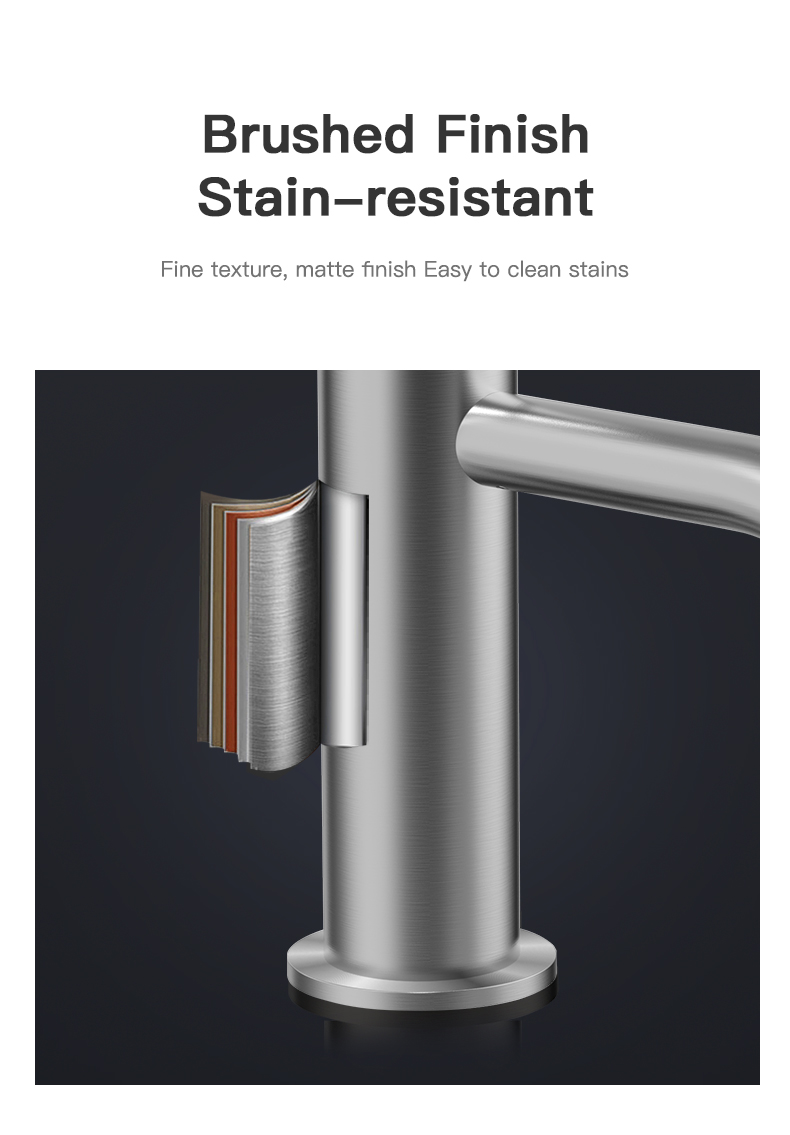
A 316 stainless steel faucet uses a higher-grade alloy that includes molybdenum, an element that significantly boosts resistance to chloride and salt exposure. This matters more than most buyers realize. Outdoor showers, bathrooms near the coast, and commercial installations with heavy daily use all benefit from the added corrosion resistance that 316-grade steel provides. The difference isn't cosmetic. It's the gap between a fixture that tarnishes within a couple of years and one that still looks and functions like new after a decade.
Mixer-style fixtures combine hot and cold water through a single internal mechanism, which means they handle more moving parts and more frequent temperature shifts than a basic single-function tap. That internal complexity is exactly why material grade matters so much here. A well-built mixer paired with certified internals and corrosion-resistant steel tends to outperform cheaper alternatives by a wide margin, especially in bathrooms and kitchens that see daily use from a full household.
The table below summarizes the practical differences between common faucet material grades, to help you weigh your options before purchasing.
Feature | Standard Brass/Zinc | 304 Stainless Steel | 316 Stainless Steel |
|---|---|---|---|
Corrosion resistance | Low to moderate | Good | Excellent |
Performance in coastal/humid areas | Poor over time | Moderate | Strong |
Typical lifespan | 3–5 years | 7–10 years | 10–15+ years |
Lead-free composition | Varies by product | Often yes | Typically yes |
Best suited for | Budget installations | General residential use | Coastal homes, outdoor showers, commercial settings |
This comparison isn't exhaustive, but it illustrates why upgrading material grade often pays for itself through reduced maintenance and replacement costs.
Kaiping Yingchuan Sanitary Ware Technology Co., Ltd, operating as YC Faucet, has spent the better part of a decade focused specifically on 304 and 316 stainless steel sanitary ware. Founded in 2016 in Guangdong province's plumbing manufacturing hub, the company runs its own factory covering design, mold manufacturing, production, and distribution under one roof.
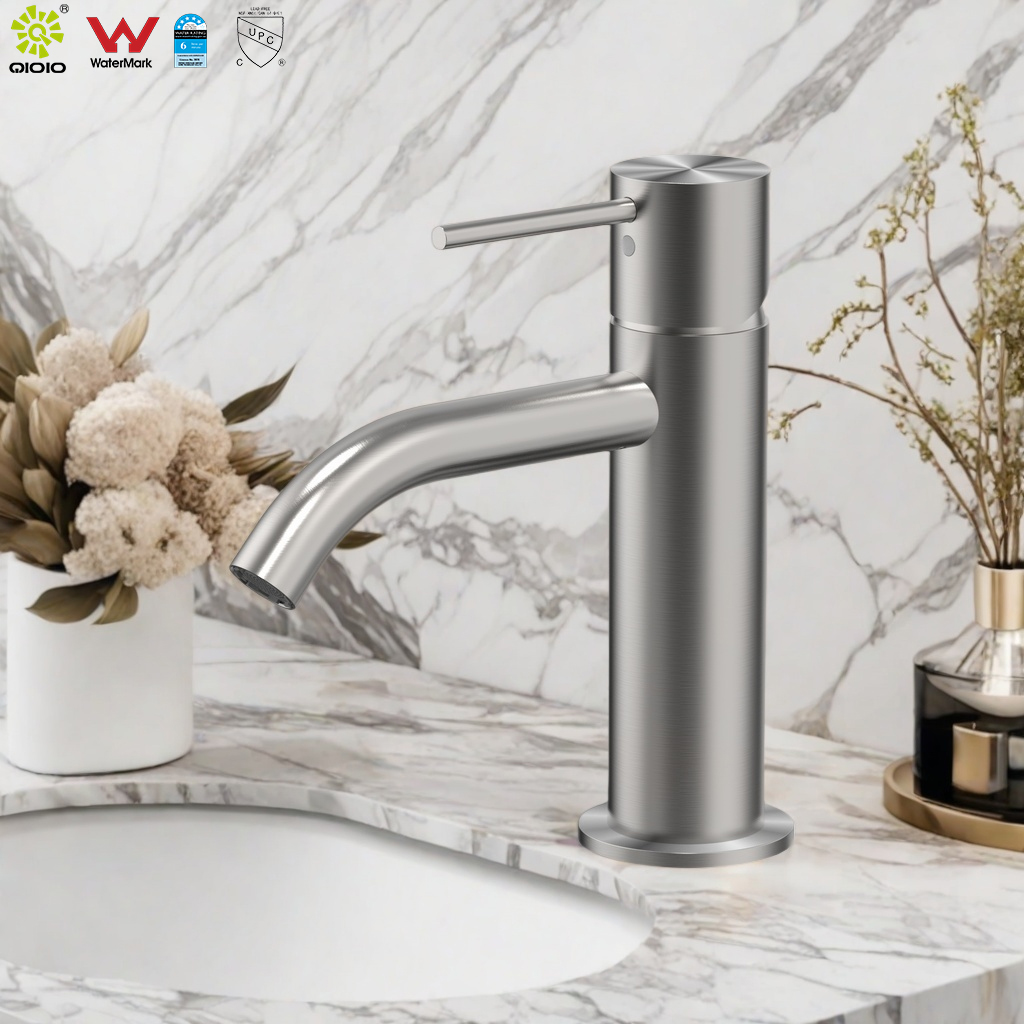
That vertical setup matters for buyers because it removes a layer of uncertainty. Rather than sourcing parts from multiple third-party suppliers, YC Faucet controls the process from raw material to finished product, which supports consistent quality across its range. The company holds eight international certifications, including Watermark, WELS, cUPC, and NSF/ANSI standards, and its catalog includes a dedicated line of mixer taps and basin fixtures built specifically to meet these compliance requirements.
For buyers specifically weighing material upgrades, the company's dedicated 316 stainless steel faucet collection reflects the kind of corrosion-resistant construction discussed earlier in this guide, built for environments where standard materials fall short. The practical takeaway: when a supplier invests this heavily in certification and material consistency, it generally signals a product built for longevity rather than a quick sale.
Picking the right faucet comes down to matching the fixture to its environment. A standard residential bathroom with moderate use might do perfectly well with a 304-grade, certified fixture. A coastal home, a commercial kitchen, or an outdoor shower setup calls for the added protection that 316-grade steel provides.
Either way, certification should be non-negotiable. It's the one factor that confirms independent testing stands behind the product you're installing, rather than just a manufacturer's own claims. Before your next renovation or build, compare the material grade, check for recognized certification marks, and look at how transparent the manufacturer is about their production process. A watermark mixer tap built on these principles will cost more upfront than an uncertified alternative, but the extended lifespan and reduced maintenance typically make up the difference within the first few years of use.