- All
- Product Name
- Product Keyword
- Product Model
- Product Summary
- Product Description
- Multi Field Search

Kaiping Yingchuan Sanitary Ware Technology Co., Ltd
304/316 stainless steel sanitary ware manufacturer
 English

Views: 0 Author: Site Editor Publish Time: 2026-09-29 Origin: Site


Sourcing bathtub faucets for the Australian or New Zealand market involves more than comparing finishes and price points. Regulatory compliance determines whether a product can legally enter these markets at all, and WaterMark certification sits at the center of that requirement. For OEM buyers building a private label bathroom line, understanding what this certification covers—and how to find a manufacturing partner who already holds it—can save months of delays and costly rework.
This guide breaks down what WaterMark certification means for bathtub faucets, why it matters for OEM sourcing, and what separates a reliable production partner from one that will leave you scrambling before a shipment deadline.
WaterMark certification is a mandatory compliance scheme administered under the Plumbing Code of Australia. It confirms that a plumbing product, including bathtub faucets, meets specific standards for water efficiency, material safety, pressure tolerance, and durability. Products sold into Australia and New Zealand without this certification can be rejected at customs, pulled from retail shelves, or flagged during building inspections.
For manufacturers, earning WaterMark certification means every batch of watermark faucets has been tested against AS/NZS 3718 for bathroom and laundry fixtures, covering everything from valve performance to corrosion resistance. This isn't a one-time stamp. Certified factories undergo ongoing audits to confirm their production lines continue meeting these benchmarks batch after batch.
For OEM buyers, this certification acts as a filter. It separates suppliers who understand the regulatory landscape of your target market from those who only manufacture for domestic or less-regulated regions.
When you're building a private label range, certification isn't a checkbox you add later. It shapes which factories you can work with from the very first sample request.
A factory that hasn't secured WaterMark certification for its bathtub faucet lines will need to either apply for it (a process that can take several months) or partner with a third-party certifier, both of which delay your product launch. Buyers who confirm certification status upfront avoid this bottleneck entirely.
Different regions enforce different plumbing standards, and stacking multiple certifications onto a single product line increases both cost and complexity. The table below outlines how WaterMark compares with other common certifications OEM buyers encounter when sourcing bathroom fixtures.
Certification | Primary Market | Key Focus Area |
|---|---|---|
WaterMark | Australia & New Zealand | Plumbing code compliance, pressure and durability testing |
cUPC | United States & Canada | Material safety and lead-free compliance |
NSF/ANSI 61 | United States | Drinking water system safety |
WELS | Australia | Water efficiency labeling |
Working with a factory that already holds several of these certifications reduces the burden on OEM buyers who plan to sell across multiple regions rather than a single market.
Certification is only one piece of the sourcing decision. The design capability and production consistency of your manufacturing partner determine whether your finished product actually meets market expectations.
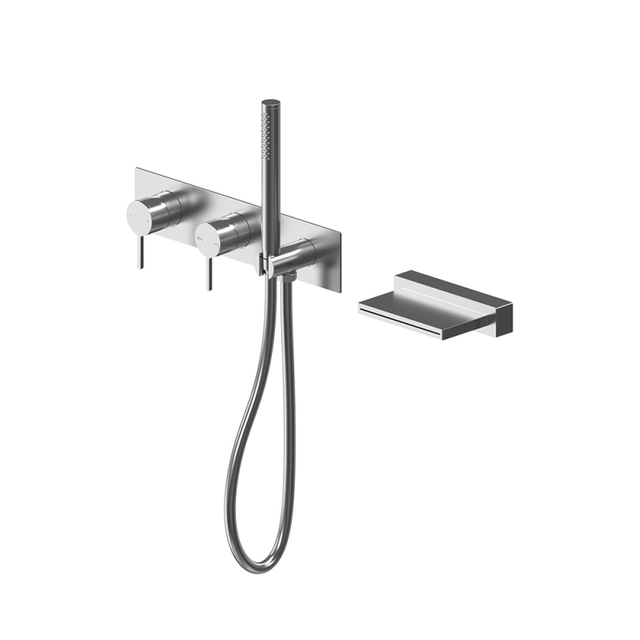
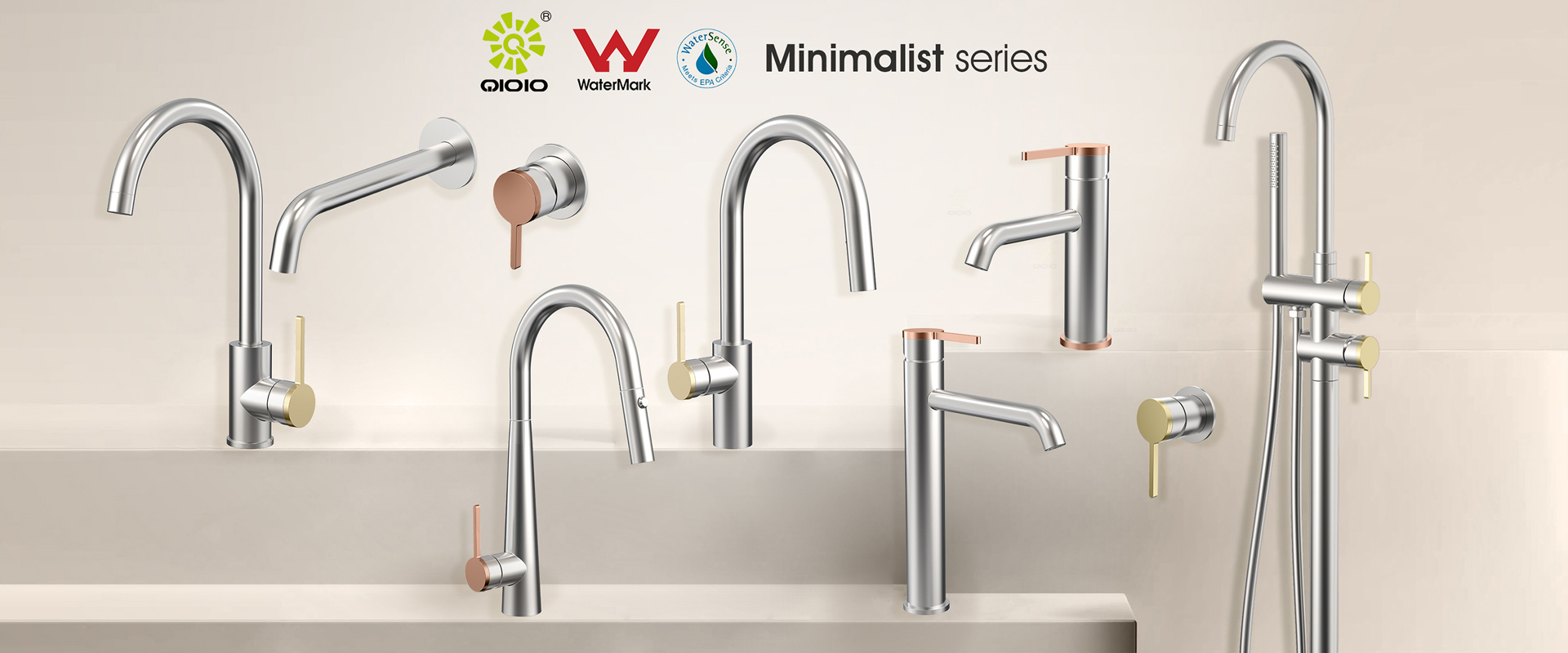
Buyers targeting the growing demand for pared-back bathroom aesthetics often look for a minimalist bathtub mixer manufacturer capable of producing clean-lined, fingerprint-resistant finishes without sacrificing the pressure and durability standards required for certification. Minimalist design and compliance aren't mutually exclusive, but they do require a factory with both an in-house design team and certified testing infrastructure.
It's also worth confirming how a supplier handles mold development, material sourcing, and quality control across production runs. Factories that manage these steps internally, rather than outsourcing to third parties, tend to deliver more consistent results across large OEM orders.

WaterMark certification applies to a specific product design and its exact material composition. If a factory alters components, switches suppliers mid-run, or cuts corners on stainless steel grade to save cost, the certification can become invalid, putting your entire shipment at risk.
Kaiping Yingchuan Sanitary Ware Technology Co., Ltd, the manufacturer behind the QIOIO Faucet brand, has built its production around this consistency requirement. Operating from a 5,600-square-meter factory in Kaiping, Guangdong, the company controls research and development, mold manufacturing, and production under one roof. This vertical integration, paired with more than eight international certifications including WaterMark, WELS, cUPC, and NSF/ANSI 61, gives OEM buyers a traceable, repeatable production process rather than a one-off certified sample.
The company has also filed more than ten design patents and serves over 10,000 overseas clients, a scale that reflects its experience navigating the specific documentation and testing requirements OEM partners need for regulated markets. For buyers evaluating a minimalist bathtub faucet supplier oem partnership, this combination of certified compliance and design flexibility across 304 and 316 stainless steel lines offers a practical starting point for private label development.
Before locking in a bathtub faucet supplier, confirm three things: current WaterMark certification status for the specific product line you're sourcing, the factory's ability to maintain that certification across repeat production runs, and whether their design catalog matches the aesthetic direction your brand needs.
Skipping any of these steps tends to surface problems after production has already started, when changes are far more expensive to make. Buyers who verify certification and manufacturing consistency early are better positioned to launch on schedule and avoid compliance issues once products reach the shelf.