- All
- Product Name
- Product Keyword
- Product Model
- Product Summary
- Product Description
- Multi Field Search

Kaiping Yingchuan Sanitary Ware Technology Co., Ltd
304/316 stainless steel sanitary ware manufacturer
 English
Views: 3 Author: Site Editor Publish Time: 2022-12-01 Origin: Site


Whether you're purchasing a new faucet or fixing a leak, it's important to know what to look for. YCFaucets are designed to last for years. The more durable faucets are made of metal, while cheaper faucets are made of plastic.
Metal faucets are made of brass, which is an alloy of copper and zinc. Brass is durable and resistant to corrosion. Brass is the most commonly used material for faucets. However, lead-free brass is also available. It is a lot more expensive.
The YCfaucet is designed to blend hot and cold water before it passes through the spout. It is usually a single-handle faucet. The spout should be large enough to clear the deepest pot, but not so big that the water splashes everywhere.
Some faucets feature a spray head, which keeps the water cool to the touch. These sprayer heads can also be made from plastic or stainless steel. Plastic faucets are less expensive than those made of stainless steel, but can break easily.
Some faucets have colored finishes. These are either made from a heat-cured coating or an electrically charged environment. These finishes are applied to stainless steel or brass. They are available in a wide range of colors.
Compression valves are the most common type of faucet. Compression valves are located between the cold water supply line and the hot water supply line. This design has been around since the development of plumbing. These valves are cheap and are prone to leaks.
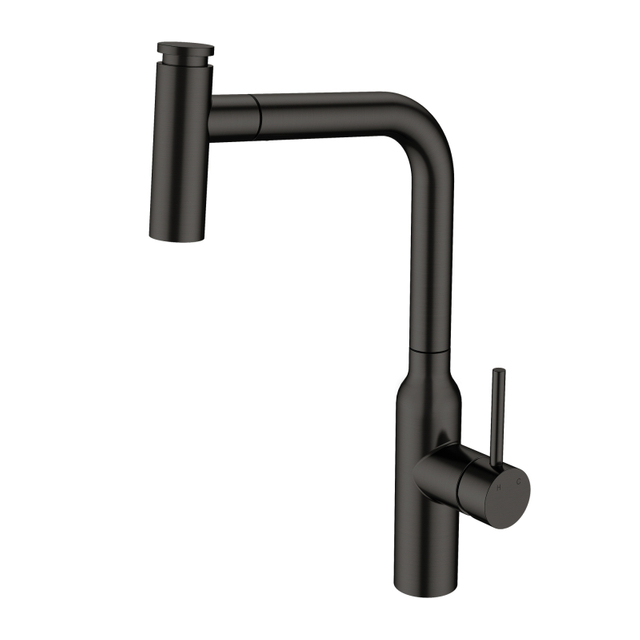
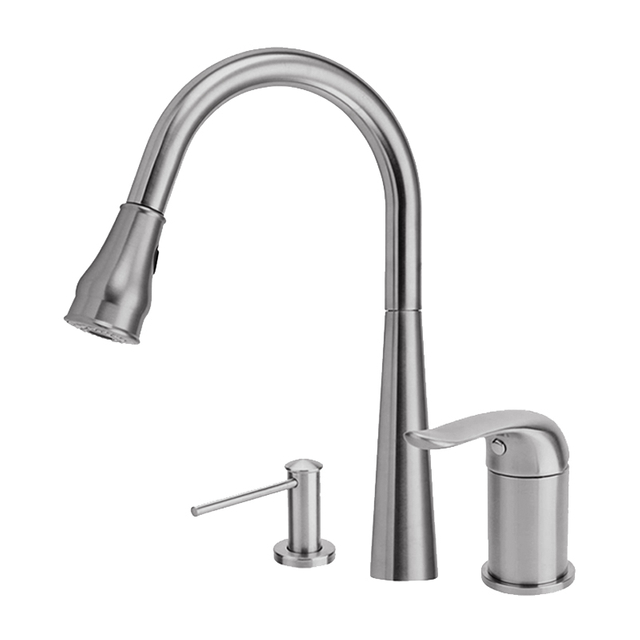
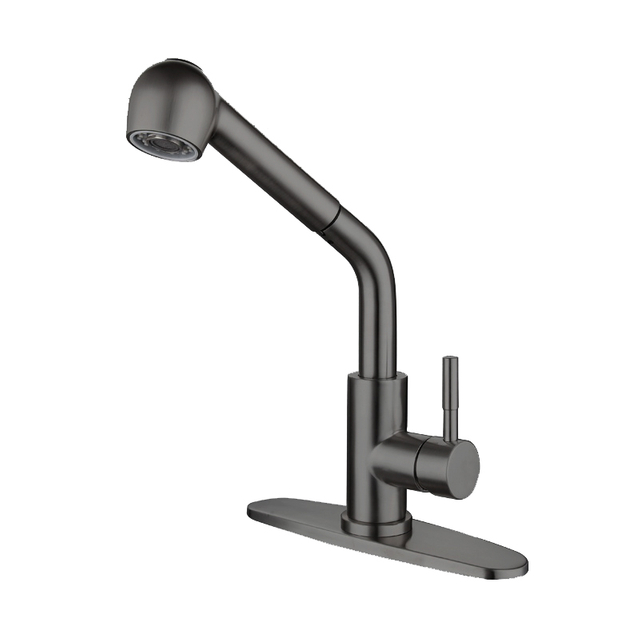
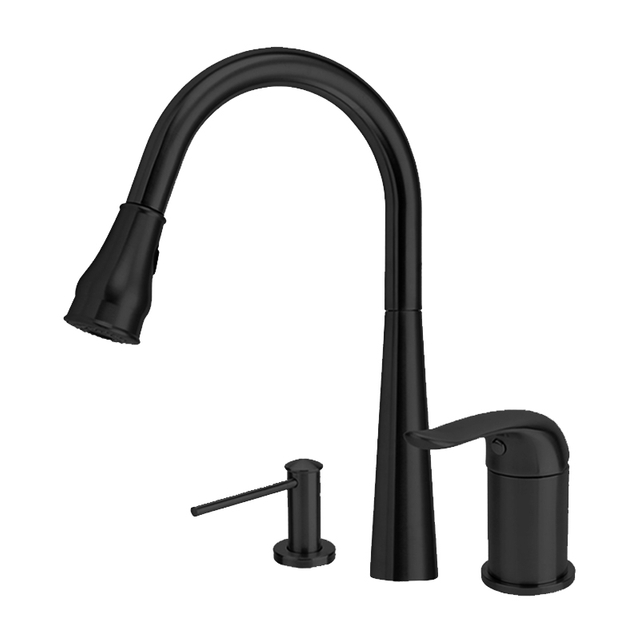
Choosing a Pull Out Kitchen Faucet can be a confusing decision. There are so many models to choose from, and they can vary in price and functionality. Selecting the right model can make a big difference in how easy it is to use and maintain.
A pull out kitchen faucet is usually the best option if you have a small or medium-sized sink. It saves space, and offers more flexibility. You can choose between different finishes and spouts. They can also be a good option for people who fill pots and pans, or who wash produce.
Pull out kitchen faucets are also a good option for those who have undermount sinks. The hoses are usually longer than a standard faucet, which makes filling pots and pans easier. The faucet is also sturdy, and may be easier to clean around.
Some pull out kitchen faucets have a secondary spray function. These may be more powerful or may have adjustable spray patterns. However, these features may not be as useful as the pull out spout.A pull out kitchen faucet may be difficult to use if your water pressure is low. Also, if you have a small sink, you may find it difficult to fill the sink. A low-profile faucet can be an attractive option, but it may be a little hard to wash large dishes with.
Another thing to consider is the finish of the faucet. Choosing a faucet that's durable and resistant to damage is important, especially if you will be handling heavy traffic in your kitchen.
Stainless steel kitchen faucets have long been the choice of many homeowners. They are not only durable, but also easy to clean. They also provide a stylish and sleek look to the kitchen.
In addition to stainless steel, you can also choose from other popular finishes for your kitchen faucets. These finishes include satin nickel, brushed nickel, and chrome. Each one has different characteristics. You will also need to take into account your lifestyle and kitchen decor.
You can easily identify a Stainless Steel Kitchen Faucet by its shiny finish and silvery luster. Its surface is resistant to acid and acidic substances. In addition, it is highly resistant to corrosion.
It is also less reflective than other faucet finishes. Stainless steel has a life expectancy of over ten years.
There are many cleaning products for stainless steel fixtures. You may also want to look for a faucet with a coating, such as epoxy or titanium, which will help protect the finish.
When you buy a stainless steel faucet, you should check its model number. The serial number is usually located on the back of the faucet or on the body of the spout.
In addition, you will need to know how to care for the finish. For example, if you notice water spots on the faucet, you can remove them with a solution of equal parts distilled white vinegar and water. You can also scrub the stainless steel with a soft cloth after each use to prevent mineral buildup.