- All
- Product Name
- Product Keyword
- Product Model
- Product Summary
- Product Description
- Multi Field Search

Kaiping Yingchuan Sanitary Ware Technology Co., Ltd
304/316 stainless steel sanitary ware manufacturer
 English
Views: 1 Author: Site Editor Publish Time: 2024-11-11 Origin: Site


The kitchen faucet is one of the most frequently used fixtures in a home. Whether it's to rinse dishes, wash your hands, or fill pots, your kitchen faucet needs to be functional and reliable. However, like any other appliance, faucets may require maintenance or replacement over time. If you're planning to update your kitchen, or your current faucet is simply showing signs of wear and tear, it's important to know how to properly remove, install, or replace a kitchen faucet. This article will provide a guide on how to handle these tasks, including specific instructions for a two-handle faucet.
Removing an old kitchen faucet is the first step before installing a new one. The process can vary slightly depending on the type of faucet you have, but the basic steps are similar. Here’s how you can remove a kitchen faucet:
Turn Off the Water Supply
Before you begin, make sure to turn off the water supply to the faucet. Locate the shut-off valves under the sink and turn them clockwise until they are fully closed.
Disconnect the Water Lines
Use an adjustable wrench to disconnect the water supply lines from the faucet. Keep a towel or small bucket handy to catch any residual water that may spill out.
Remove the Faucet Mounting Nuts
Using a basin wrench or adjustable wrench, loosen the nuts securing the faucet to the sink. These are typically located under the sink. Once the nuts are removed, the faucet should be loose.
Remove the Faucet
With the nuts removed, gently lift the faucet off the sink. If the faucet is stuck due to mineral buildup or other debris, use a small amount of penetrating oil to loosen it.
Clean the Area
Before installing a new faucet, clean the area around the sink where the faucet was installed. This will help ensure a proper seal and prevent leaks.

Installing a new kitchen faucet may seem daunting, but with the right tools and a bit of patience, it’s a straightforward task. Here’s how to install a new kitchen faucet:
Prepare the Sink
If you're installing a new faucet, make sure the sink is free of debris and clean. Remove any old seals or putty from the previous faucet installation.
Position the Faucet
Place the faucet's base in the mounting holes of the sink. Ensure that it is properly aligned before proceeding with the installation.
Install the Mounting Nuts
Once the faucet is positioned, reach underneath the sink to install the mounting nuts. Tighten them by hand at first, then use a wrench to securely fasten them in place. Be careful not to overtighten, as this could crack the sink.
Connect the Water Lines
Attach the water supply lines to the faucet’s connectors. Tighten these connections using a wrench. Make sure the connections are snug, but avoid overtightening, which can cause damage.
Apply Sealing Putty
If necessary, apply a thin layer of plumber’s putty around the base of the faucet before installing it to create a watertight seal. Make sure to wipe away any excess putty.
Test the Faucet
Turn on the water supply and check for leaks. Test both the hot and cold water handles to make sure everything is functioning properly.
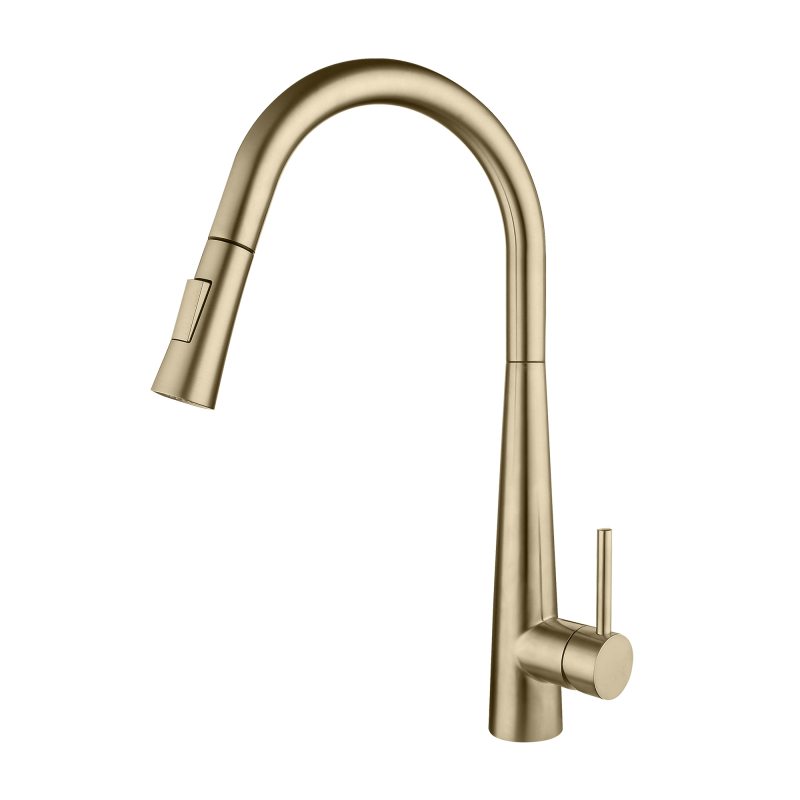
Replacing a kitchen faucet with two handles can seem tricky at first, but the process is similar to replacing a single-handle faucet. Here's how to replace a kitchen faucet with two handles:
Turn Off the Water Supply
As with any faucet replacement, start by turning off the water supply to the faucet. Don’t forget to turn on the faucet to relieve any pressure in the pipes.
Disconnect the Water Supply Lines
Use a wrench to disconnect the water supply lines from the faucet. This will allow you to remove the faucet entirely.
Remove the Old Faucet
For a two-handle faucet, there will be separate connections for hot and cold water. Use a basin wrench to remove the nuts holding the faucet in place. Once the nuts are removed, lift the faucet off the sink.
Clean the Surface
Clean the area where the faucet was installed to remove old putty or residue. This will help ensure the new faucet is installed properly.
Install the New Faucet
Position the new faucet into the mounting holes of the sink. If you're installing a new brushed brass kitchen faucet or a commercial kitchen faucet, ensure that the faucet’s handles are positioned correctly for easy access.
Tighten the Mounting Nuts
From underneath the sink, secure the faucet by tightening the mounting nuts. Make sure everything is aligned properly.
Reconnect the Water Supply Lines
Reattach the hot and cold water lines to the new faucet. Tighten the connections with a wrench, but be careful not to overtighten.
Check for Leaks
Once the faucet is installed, turn on the water supply and check for any leaks around the base or where the water lines are connected. If you notice any leaks, tighten the connections and test again.
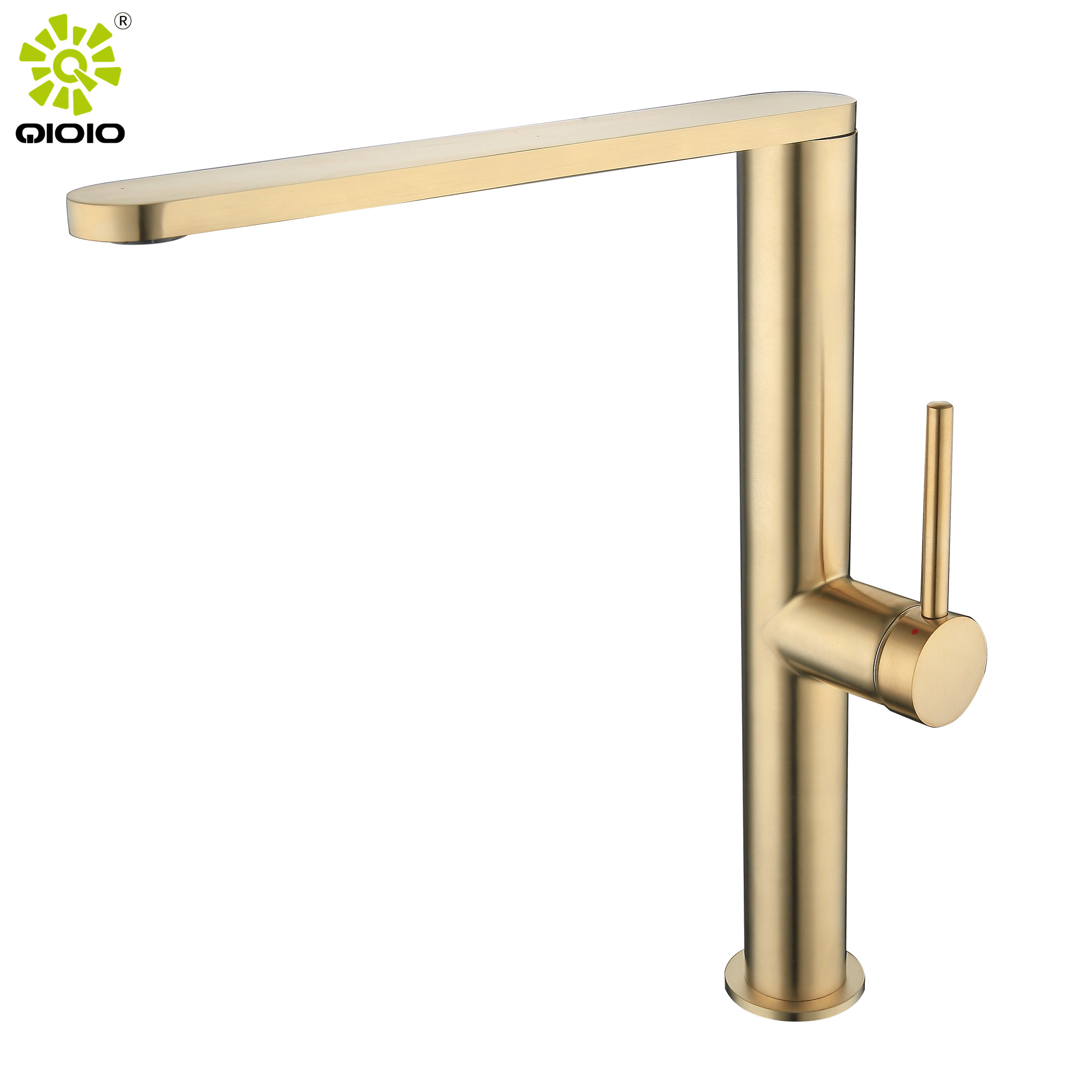
Installing or replacing a kitchen faucet may seem like a daunting task, but it is achievable with the right tools and a bit of know-how. Whether you’re replacing a faucet with two handles or installing a modern brushed brass kitchen faucet, following the correct procedure will ensure that the process goes smoothly.
For high-quality, durable kitchen faucets, consider choosing from a range of options available at YC Faucet. They offer a variety of faucets, including brushed brass and commercial kitchen faucets, ensuring that you can find the perfect fit for your kitchen's design and functionality needs.
For more information or to get started with your kitchen faucet purchase, reach out to YC Faucet at:
Email: qioio@ycfaucet.com
Phone: +86-180 3312 2096
How To Maintain And Upgrade Your Shower Today?
How Long Do Kitchen Faucets Last and Installation Tips?
How Do You Replace Or Remove A Shower Faucet?


