- All
- Product Name
- Product Keyword
- Product Model
- Product Summary
- Product Description
- Multi Field Search

Kaiping Yingchuan Sanitary Ware Technology Co., Ltd
304/316 stainless steel sanitary ware manufacturer
 English
Views: 0 Author: Site Editor Publish Time: 2026-07-21 Origin: Site


TL;DR:
Shower fixture replacement involves removing your old valve, trim, or showerhead and installing a compatible new unit. Most homeowners can complete a basic swap in a few hours with standard tools. Choosing the right material—especially corrosion-resistant stainless steel—determines how long your new fixture will last.
Bathroom upgrades have a reputation for being complicated and expensive. But replacing a shower fixture? It's one of the more manageable home improvement projects you can take on. The right preparation, the right tools, and the right product make all the difference.
This guide walks you through what you need to know—from choosing the correct fixture type to understanding why material quality matters more than most buyers realize. Whether you're fixing a dripping valve or completely overhauling your shower system, you'll find practical answers here.
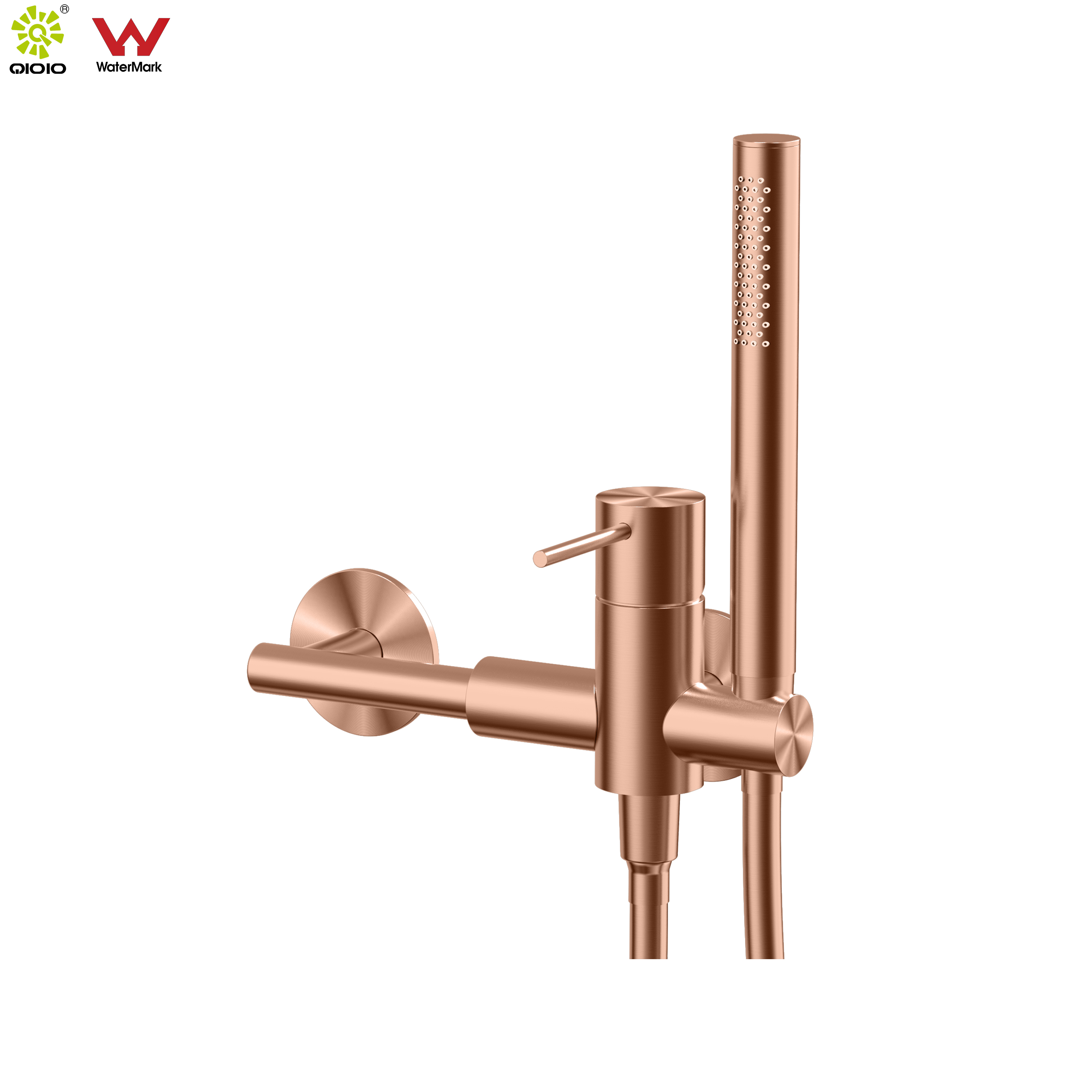

Not all shower fixtures are created equal, and knowing what you're working with shapes every decision that follows.
The most common replacements fall into three categories:
Showerheads – the simplest swap, usually requiring only an adjustable wrench
Shower valves and trim kits – more involved, often requiring access behind the wall
Complete shower sets – full system replacements including the valve body, handle, diverter, and showerhead
Before buying anything, identify your current valve brand and model. Many manufacturers sell trim kits that fit existing valve bodies, which saves you from cutting into the wall.
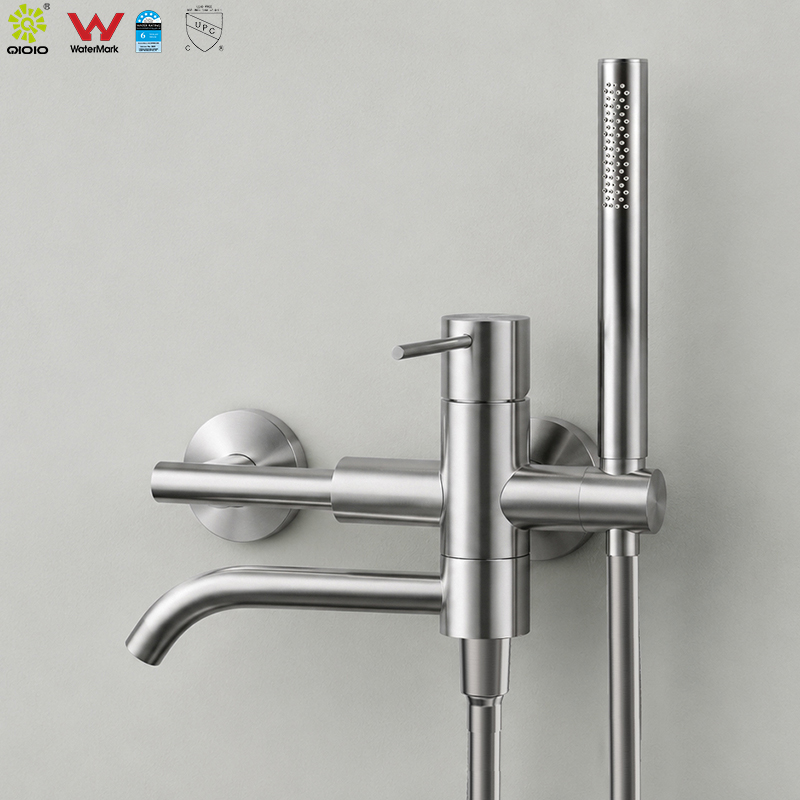

A basic shower fixture replacement requires a modest toolkit. Here's a reference table covering common tools and their purpose:
Tool | Purpose |
|---|---|
Adjustable wrench | Tightening and loosening connections |
Pipe tape (PTFE tape) | Sealing threaded fittings |
Screwdrivers (flat and Phillips) | Removing trim and handle screws |
Utility knife | Cutting caulk or drywall access |
Channel-lock pliers | Gripping awkward fittings |
Caulking gun | Resealing around escutcheon plates |
Flashlight | Visibility inside wall cavities |
Shut off the water supply before starting—either at the dedicated shut-off valve or at the main. Then turn on the shower to release any remaining pressure in the line.
The process varies slightly depending on whether you're replacing just the trim or the entire valve. Here's the general workflow for a standard shower faucets installation:
Remove the old handle and trim plate. Unscrew the handle set screw (usually hidden under a decorative cap) and pull the handle free. The trim plate typically unscrews or pops off next.
Extract the cartridge or valve stem. Use a cartridge puller tool if needed. Take the old cartridge to a hardware store to find an exact match, or purchase a replacement kit from the original manufacturer.
Install the new cartridge. Insert it according to the orientation markings—hot and cold positions matter. Secure it with the retaining clip or nut.
Attach the new trim and handle. Follow the manufacturer's instructions for torque specifications. Overtightening can crack decorative components.
Reconnect the water supply and test. Turn the water back on slowly. Check for leaks at every connection point before closing up the wall.
For concealed shower systems, the valve body installation happens during rough-in—typically a job for a licensed plumber if you're not experienced with in-wall plumbing.
Here's where most buyers make a costly mistake: prioritizing appearance over material composition.
Chrome-plated zinc or low-grade brass fixtures corrode from the inside out. You won't see the problem until water pressure drops or a fitting fails. Stainless steel, by contrast, resists corrosion at the molecular level—making it particularly well-suited for wet environments with fluctuating temperatures.
This is exactly why Kaiping Yingchuan Sanitary Ware Technology Co., Ltd (YCFaucet) builds its entire product range around 304 and 316 stainless steel. Founded in 2016 in Kaiping City, Guangdong—China's recognized plumbing and sanitary ware hub—Yingchuan has spent nearly a decade refining stainless steel manufacturing to meet international standards. The company holds certifications including Watermark, WELS, cUPC, NSF/ANSI 61, and NSF/ANSI 372 Lead Free, reflecting a genuine commitment to safety and durability rather than just compliance on paper.
For bathrooms exposed to saltwater air, high humidity, or aggressive water chemistry, a 316L stainless steel bathtub faucet offers a meaningful performance advantage over standard materials. The "L" designation indicates low carbon content, which improves weld integrity and further reduces corrosion risk in chloride-rich environments.
Several factors narrow down the right choice quickly:
Valve compatibility. If you're keeping the existing valve body, match the trim kit to that brand and series. Mixing brands rarely works.
Water pressure. High-flow showerheads require adequate supply pressure—typically 45–80 PSI. Thermostatic systems perform best with stable pressure on both hot and cold lines.
Finish durability. Brushed finishes hide water spots better than polished ones. PVD (Physical Vapor Deposition) coatings, used by manufacturers like Yingchuan, bond color directly to the metal surface for long-term scratch and fade resistance.
Certification requirements. In Australia, Watermark certification is mandatory for plumbing fixtures. In North America, look for cUPC and NSF/ANSI 61 compliance. Yingchuan products carry both, making them suitable for residential and commercial projects in multiple markets.
Even experienced DIYers make these errors:
Skipping the shut-off. Water under pressure causes real damage fast.
Installing a cartridge backward. Hot and cold will be reversed—a fixable but frustrating mistake.
Over-caulking the escutcheon. Trapping moisture behind trim plates encourages mold growth.
Ignoring the diverter. If you have a tub-shower combo, test the diverter before reassembling everything.
Choosing fixtures by price alone. A low-cost fixture that corrodes within two years costs more in the long run than a quality stainless steel unit that lasts decades.
A straightforward showerhead or cartridge swap takes one to two hours. A full trim kit replacement runs two to four hours. Complete valve body replacements—requiring wall access—can take a full day and may require a licensed plumber depending on local codes.
Not always. Replacing a cartridge, showerhead, or trim kit is within reach for most handy homeowners. Replacing the valve body or adding new supply lines usually requires a licensed plumber, especially in jurisdictions with strict plumbing codes.
304 stainless steel handles most residential applications well. 316 stainless steel adds molybdenum to its alloy composition, giving it stronger resistance to chlorides and salt—making it a better choice for coastal properties, outdoor showers, or commercial facilities with aggressive water treatment chemicals.
If the handle is stiff, water temperature is inconsistent, or the fixture drips even when fully closed, the cartridge or valve stem is usually the culprit. A cartridge replacement resolves most of these issues. If the valve body itself is corroded or cracked, full replacement is the right call.
Yes. Yingchuan exports to markets across Asia, Australia, Europe, and North America. The product range includes Watermark-certified sets for Australian compliance and cUPC-certified products for North American markets. Contact the Yingchuan team directly at qioio@ycfaucet.com for sourcing inquiries and OEM options.
Shower fixture replacement rewards preparation. Know your valve type, confirm water supply compatibility, and invest in materials that match the demands of your environment. Stainless steel fixtures—particularly those built to 316L specifications—deliver a service life that pays for the initial investment many times over.
Yingchuan's product line spans exposed shower sets, concealed systems, thermostatic controls, and bathtub faucets, all manufactured in-house with independent mold design and R&D capabilities. If you're specifying fixtures for a renovation project or sourcing at scale, explore the full product catalog at ycfaucet.com or reach out for a direct consultation.
The right fixture, installed correctly, should give you years of trouble-free performance—no repeat replacements required.


